
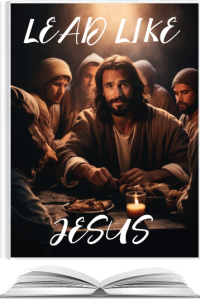
Module 8: Moving Forward — Becoming a Discipling Leader
- Personal reflection and spiritual growth plan
- Mentoring others in your community or organization
- Maintaining humility and dependence on the Holy Spirit
Story: The Legacy of the Disciples — From Crowds to Leaders
After walking with Jesus, witnessing His life, death, and resurrection, the disciples each took different paths in fulfilling their part of God's great mission. Their journey of becoming discipling leaders was rooted in their early lessons of practical faithfulness, humility, and dependence on the Holy Spirit.
Simon Peter
Journey & Exploits:
Peter was bold and impulsive, often stepping out in faith—walking on water, confessing Jesus as the Messiah, and leading the early church. After Pentecost, he preached powerfully, healings occurred through him, and many came to faith. He traveled extensively, establishing the church in Jerusalem and neighboring regions.
How he died:
Tradition says Peter was crucified upside down in Rome during Nero’s persecution because he felt unworthy to die in the same manner as Jesus. His martyrdom sealed his unwavering commitment to Christ.
Andrew (Peter’s brother)
Journey & Exploits:
Andrew was passionate about evangelism, bringing people to Jesus—including his brother Peter and the Greeks seeking Christ. Tradition states he traveled to Greece, evangelizing and establishing churches. He was known for his humility and persistent outreach.
How he died:
According to tradition, Andrew was crucified on an X-shaped cross in Greece, where he preached the Gospel until his death, inspiring many to follow Christ.
James (son of Zebedee)
Journey & Exploits:
A Zealous disciple, James was part of Jesus’ inner circle—present at key moments like the Transfiguration. He boldly preached in Jerusalem and was instrumental in early church growth. His fiery nature saw him confront opposition and preach fearlessly.
How he died:
James was executed by sword on Herod Agrippa’s orders (Acts 12:1-2), making him the first apostolic martyr. His death fueled others' resolve to remain faithful.
John (the beloved disciple)
Journey & Exploits:
Known for his deep love and spiritual insight, John authored the Gospel of John, Revelation, and three epistles. He endured exile on Patmos, where he received visions of Christ’s return. He traveled to Ephesus and Asia Minor, mentoring churches and strengthening believers.
How he died:
Tradition holds that John survived persecution, aging peacefully in Ephesus, and died a natural death—believed to be the only disciple to die peacefully.
Philip
Journey & Exploits:
Philip evangelized widely, leading the Ethiopian eunuch to Christ and planting churches in Asia Minor and beyond. His practical outreach helped open regions to the Gospel.
How he died:
Tradition suggests Philip was martyred by crucifixion or stoning in Hierapolis (Turkey) for preaching Christ.
Bartholomew (Nathanael)
Journey & Exploits:
Known for his honesty and faith, Bartholomew traveled to India, Armenia, and parts of Persia, establishing churches and translating Scriptures. His fearless missionary work helped bring the Gospel into hostile territories.
How he died:
He was reportedly martyred—either by being hacked to death or crucified—while preaching in Armenia or India, enduring persecution for the Gospel.
Thomas
Journey & Exploits:
Initially skeptical, Thomas grew into a courageous missionary, traveling to India and establishing churches. His journey included baptisms, teaching, and establishing believers’ communities.
How he died:
Tradition states Thomas was stabbed with a spear in India, martyring him for his faith.
Matthew (Levi)
Journey & Exploits:
After following Jesus, Matthew used his skills as a tax collector to reach out to sinners and outcasts. He authored one of the Gospels with a focus on Jesus’ kingship and salvation for all. He traveled to Ethiopia and Persia to establish churches.
How he died:
Traditionally, Matthew was martyred—either by stabbing or hanging—while spreading the Gospel in Ethiopia or Persia.
James (son of Alphaeus)
Journey & Exploits:
Less is known about his travels, but tradition suggests James remained faithful, supporting the church in Jerusalem. He encouraged new believers and helped consolidate early Christian communities.
How he died:
Historical accounts vary; some suggest he was stoned or crucified in Jerusalem for his faith.
Thaddaeus (Jude, son of James)
Journey & Exploits:
Thaddaeus traveled to regions such as Syria, Persia, and Edessa, boldly sharing the Gospel. His perseverance helped establish churches in hostile regions.
How he died:
Tradition says Thaddaeus was martyred—possibly by stoning or beheading—while ministering abroad.
The Rapid Growth and Spread of Christianity (1000 Years After the Apostles)
1. The Apostolic Foundations and Early Expansion
After the death of the apostles, their immediate followers and successors carried the Gospel into new territories. Churches began forming across the Roman Empire and surrounding regions. Paul’s missionary journeys established Christian communities in Asia Minor, Greece, and other parts of the Mediterranean. These early efforts laid the groundwork for global expansion.
2. Constantine’s Conversion and the Edict of Milan (313 AD)
The crucial turning point came when Emperor Constantine, after experiencing a vision, converted to Christianity. He issued the Edict of Milan in 313 AD, legalizing Christianity and ending persecution. Churches, bishops, and Christian leaders gained legal status, enabling them to organize openly, spread the Gospel more effectively, and influence societal structures.
3. Christianity Becomes the Empire’s Religion
Once it became the official state religion, Christian institutions, clergy, and monasteries blossomed. Christian leaders, scholars, and missionaries took the Gospel to the far reaches of Europe rapidly. The church became a social, political, and spiritual force, step-by-step permeating every aspect of life—education, law, and culture.
4. Monastic Movements and Missionary Zeal
Monasteries such as Cluny and Carmelites became centers of learning, prayer, and mission work. Monks and nuns traveled far beyond cities into rural areas and hostile regions, establishing churches, schools, and communities. Monasticism became a key engine of evangelism and cultural preservation, spreading Christian influence into previously pagan or tribal communities.
5. Evangelization of Barbarian Tribes
The mission to transform pagan tribes into Christian nations accelerated in the 4th to 9th centuries. Missionaries and royal alliances worked together to convert kings, princes, and tribes. Famous missionaries like St. Patrick in Ireland, who evangelized the Irish tribes, and St. Boniface in Germany, who helped establish Christianity among the Germanic peoples, were instrumental. These efforts linked spiritual transformation with political consolidation, leading to widespread Christian kingdoms.
6. Spread Throughout Eastern Europe and Russia
In the 9th and 10th centuries, Christian influence entered Eastern Europe and Russia. Missionaries Cyril and Methodius created the Cyrillic alphabet to translate Scriptures into Slavic languages, making Biblical truth accessible to millions. Vladimir the Great of Kiev officially converted Kievan Rus’ in 988 AD, making Christianity the religion of the emerging Russian state. This event dramatically expanded the Christian footprint and shaped the spiritual identity of nations.
7. Missionary Zeal and the Cultural Shift
Throughout the Middle Ages, Christian missions expanded into remote regions—Scotland, Scandinavia, the Baltic, and even further east and west—helping to establish Christian communities far beyond the initial Roman borders. The local rulers and tribes gradually adopted Christianity, often blending it with traditional customs, but the Gospel core remained central.
8. The Age of Exploration and Global Missions (Late 15th – 17th Century)
By the 15th century, explorers and colonizers carried Christianity across the Atlantic to the Americas, into Africa, and into the Pacific. Missionaries accompanied ships and expeditions, establishing churches, schools, and hospitals, and translating Scripture into new languages. Key figures like Francis Xavier and William Carey tirelessly worked to evangelize and disciple new peoples, rapidly spreading Christian influence worldwide.
How the World Became Christian
Over the course of these 1,000 years, Christianity transitioned from a persecuted minority to the dominant faith of Europe and parts of Asia. The Gospel spread through:
- State support and royal patronage, which accelerated Christian expansion into new regions.
- Monastic and missionary effort, planting churches and translating Scripture in local languages.
- Cultural integration and societal influence, which made Christianity a core part of national identity and moral fabric.
This period marked an era when millions encountered Jesus Christ, and nations were reshaped by His teachings, with the church becoming a central cultural and spiritual force in the shaping of Western civilization.
keys and tips for learning and applying Practical Steps Moving Forward — Becoming a Discipling Leader:
1. Prioritize Personal Spiritual Growth
- Commit to ongoing spiritual disciplines such as prayer, Bible reading, and holiness. A growing leader models what they teach.
2. Develop a Clear Discipling Vision
- Clarify your calling to disciple others. Set tangible goals for mentoring, training, and multiplying leaders in your community or organization.
3. Invest Intentionally in Others
- Build genuine relationships through consistent time, prayer, and mentorship. Focus on developing trust and spiritual maturity.
4. Create Disciple-Making Habits
- Incorporate regular one-on-one meetings, small groups, or disciple-making activities into your routines to foster growth and accountability.
5. Model Christlike Leadership
- Lead with humility, integrity, and love. Demonstrate Christ’s character daily so others see what a discipling leader looks like.
6. Equip and Empower Others
- Train others through coaching, sharing resources, and delegating responsibilities. Help mentees discover their spiritual gifts and mission.
7. Pray for Disciple-Making Opportunities
- Regularly seek the Holy Spirit’s guidance for divine appointments, boldness, and wisdom in mentoring and multiplying disciples.
8. Celebrate Growth and Multiplication
- Recognize milestones in your own journey and in those you mentor. Encourage a culture of continual growth, obedience, and reproduction.
9. Stay Humble and Depend on the Spirit
- Acknowledge that true leadership depends on the Holy Spirit’s power. Maintain humility, knowing that growth and fruitfulness come from Him.
10. Stay Committed Long-Term
- Discipleship is a marathon, not a sprint. Persevere through challenges, remain faithful, and trust God to multiply your efforts over time.
6 Verses for Meditation (One Verse a Day)
1. 2 Timothy 2:2
"And the things you have heard me say in the presence of many witnesses entrust to reliable people who will also be qualified to teach others."
Reflection:
Effective discipling involves passing on what you’ve learned to others who can continue the process. Focus on mentorship that reproduces leaders and multiply faith.
2. Matthew 28:19-20
"Therefore go and make disciples of all nations, baptizing them and teaching them to obey everything I have commanded you."
Reflection:
Moving forward as a discipling leader means intentional engagement in teaching others to obey Jesus’ commands. Discipleship is active, relational, and ongoing.
3. Romans 8:29
"For those God foreknew he also predestined to be conformed to the image of his Son, that he might be the firstborn among many brothers and sisters."
Reflection:
Your growth and leadership journey is about becoming more like Christ. Continual spiritual transformation is the foundation of effective discipling.
4. Ephesians 4:11-13
"So Christ himself gave the apostles, the prophets, the evangelists, the pastors and teachers, to equip his people for works of service, so that the body of Christ may be built up until we all reach unity in the faith and in the knowledge of the Son of God."
Reflection:
Effective leadership is about equipping others for service and growth. Invest time and resources into helping others mature spiritually and serve effectively.
5. Colossians 1:28
"He is the one we proclaim, admonishing and teaching everyone with all wisdom, so that we may present everyone fully mature in Christ."
Reflection:
Your goal as a discipling leader is to help others reach spiritual maturity. Consistently teach, encourage, and correct with love and wisdom.
6. James 1:22
"Do not merely listen to the word, and so deceive yourselves. Do what it says."
Reflection:
Moving forward in leadership means living out what you teach. Be a practical example of obedience and faithfulness, motivating others to do the same.
Prayer
Heavenly Father,
I come humbly before You, acknowledging that true leadership begins with a deep desire to follow Christ and to lead others toward Him. Thank You for calling me to be a discipling leader, one who reflects Your love, humility, and wisdom.
Lord, I ask for Your Holy Spirit to guide and empower me as I take practical steps to move forward in my leadership journey. Help me to grow in faith, obedience, and humility. Teach me to prioritize my personal spiritual growth so I can be an authentic example to others.
Grant me wisdom to identify those You’ve placed around me—family, friends, colleagues, and community—and give me boldness and love to invest in them intentionally. Help me to be patient, persistent, and faithful, knowing that discipleship is a lifelong journey.
Open my eyes to the opportunities You create each day to mentor, teach, and encourage others. Strengthen me to delegate, train, and empower those I pour into, so they will also become disciple-makers.
Remind me always that success in leadership depends on dependence on Your Spirit. Keep me rooted in Your Word, mindful of Your presence, and committed to living out the Gospel in practical ways every day.
Father, I surrender my fears, pride, and busyness to You. Fill me with renewed passion and purpose to keep moving forward as a discipling leader who reproduces Christ’s character and transforms lives. May all I do bring glory to Your name and advance Your kingdom here on earth.
In Jesus’ name, I pray,
Amen.
Resources:
- Excerpts and concepts from Mentoring for Mission by Gunter Krallmann
- Biblical passages about mentoring, leadership, and mission
- Reflection and application questions