
Week 9. Feeding one’s heart through the Word and Personal Relationship with Jesus, Communion.
Chapter 9: Dophkah – Seasons of Hardship
9- Dophqah –פקהדּ H1850 = “knocking”
Parallel: Building on the Rock (Matthew 7:24-27)
Scripture: "The rain came down, the streams rose, and the winds blew and beat against that house; yet it did not fall, because it had its foundation on the rock." (Matthew 7:25)
Introduction: The Struggles of Dophkah
As the Israelites continued their journey through the wilderness after crossing the Red Sea, they arrived at Dophkah—a location characterised by seasons of hardship and testing. The name Dophkah means "to strike," which aptly describes the challenges faced by the people during this stage of their journey. Here, the Israelites confronted fatigue, weariness, and the various challenges that accompany long-term reliance on God's provision.
In this chapter, we will explore how the hardships of Dophkah resonate with our own life experiences, particularly in relation to the teachings of Jesus about building on a solid rock foundation to navigate through our trials.
The Hardships of the Israelites in Dophkah
The journey of the Israelites was littered with obstacles, and Dophkah was no exception. Their trek was not merely physical; it was also deeply spiritual. Each stop along the way was designed to reveal lessons about trust, obedience, and the essential need to depend on God.
In Dophkah, the people likely felt exhausted and frustrated after long days of wandering. They were faced with new and demanding challenges, which tested their faith and often led to complaints against Moses. With their immediate needs unmet, they longed for the comfort of their previous life in Egypt, even as they forgot the suffering of their enslavement. The stark reality of their circumstances—being in a barren land with little to no resources—made their challenges feel overwhelming.
The Word and Personal Relationship with Jesus, Communion.
The story of the Children of Israel’s Exodus highlights God's provision and guidance, which can be deeply connected to the Christian teaching of feeding one’s heart through the Word of God and developing a personal relationship with Jesus. In Exodus, God provided manna from heaven, nourishing the Israelites daily and reminding them that their ultimate sustenance comes from Him. Similarly, in Christianity, the Bible serves as spiritual bread—God’s Word—that sustains the believer’s soul, guides their faith, and deepens their relationship with Jesus.
Jesus Himself emphasizes this when He says in John 6:51, “I am the bread of life,” linking spiritual nourishment directly to Himself. When Christians read and meditate on the Scriptures, they are feeding their hearts with God's promises, His love, and His truth. This daily nourishment is essential for spiritual growth, resilience, and maintaining a close personal relationship with Jesus, who is the source of life and salvation.
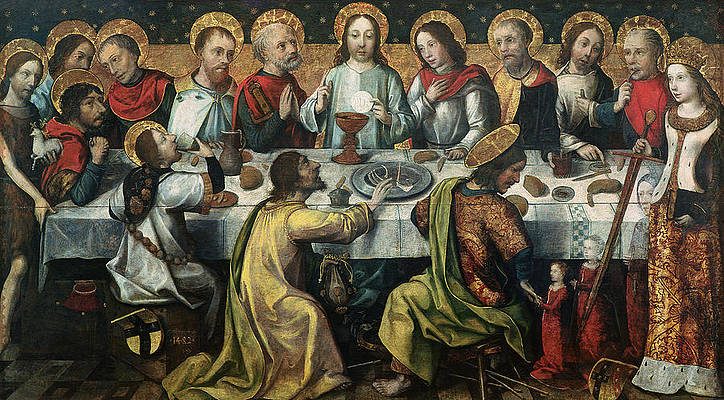
Furthermore, the Communion, where the bread is His body and the wine His blood, reinforces the intimate connection between Jesus and the believer. Participating in Holy Communion is an act of spiritual nourishment—symbolizing the ongoing personal relationship with Jesus, growing closer through His sacrifice. It reminds Christians that just as bread and wine sustain physical life, Jesus’ sacrifice sustains their spiritual life. The act of sharing in the bread and wine becomes a way to deepen their bond with Jesus, experiencing His presence and grace intimately.
In essence, feeding one’s heart through the Word and partaking in the Eucharist are both vital means of growing a personal relationship with Jesus. These practices nourish the soul, strengthen faith, and remind believers daily of His love, sacrifice, and divine presence—the true bread that sustains us
eternally.
Building on the rock
The story of the Children of Israel’s Exodus and the teaching of building on the rock, as found in Matthew 7:24-27, both emphasize the importance of a strong foundation of faith and a personal relationship with Jesus. During their journey from slavery to freedom, the Israelites faced many hardships—desert dangers, enemies, and doubts. Their survival and success depended on trusting in God's guidance and building their lives on His firm foundation. Similarly, Jesus teaches that those who hear His words and put them into practice are like the wise man who built his house on the rock—able to withstand life's storms.
Building on the rock signifies establishing a personal relationship with Jesus, the solid foundation of our lives. When individuals genuinely accept Jesus as their Lord and Savior, they create a spiritual foundation rooted in His love, teachings, and sacrifice. This relationship is like the house built on the rock—stable and secure, no matter what storms of life come their way, such as hardships, doubts, or temptations. Just as the Israelites relied on God's guidance in their journey, Christians are called to trust Jesus fully, making Him the cornerstone of their faith.
Moreover, hearing Jesus’ words and putting them into practice strengthens this personal relationship. Living according to His teachings, trusting in His love, and actively seeking His presence helps believers build a resilient spiritual life. Jesus is the cornerstone that anchors us, providing stability and hope amid life's uncertainties.
In summary, building on the rock reflects developing a close, personal relationship with Jesus—trusting in His word, His love, and His sacrifice. Like the Israelites depended on God's guidance through the wilderness, believers find strength and stability in Jesus Christ, firmly rooted in faith that can withstand any storm.
Reflection: Embracing Hardships as Growth Opportunities
Dophkah serves as a reminder that seasons of hardship are an inevitable part of the Christian journey. Just as the Israelites encountered trials in the wilderness, we, too, face challenges in our lives. These difficulties can either weaken or strengthen our faith, depending on how we choose to respond.
In James 1:2-4, we are encouraged to "consider it pure joy, my brothers and sisters, whenever you face trials of many kinds." Trials produce perseverance, which leads to spiritual maturity. Just like the Israelites, our responses to hardships can become the building blocks of our faith if we lean into God's promises during tough times.
Reflection: Building on the Rock: Jesus' Teachings
In Matthew 7:24-27, Jesus shares the parable of the wise and foolish builders. The wise man builds his house on the rock, while the foolish man builds on sand. When the storms come, the house built on the rock stands firm, while the one built on sand collapses.
This parable underscores the critical importance of establishing a solid foundation in our lives. When we base our lives on the teachings of Jesus, we create a foundation resilient enough to withstand the trials and hardships we will inevitably face. Our faith can become a source of strength in the face of adversity, enabling us to navigate life's storms with grace.
Reflection: Assessing Our Foundations
What foundation are you building your life upon? Are you anchored in the promises of God and the teachings of Jesus? Or are you relying on temporary pleasures and fleeting comforts that could leave you vulnerable during tough times?
During seasons of hardship, it’s vital to assess our spiritual foundation. Trials can either expose weaknesses in our faith or reinforce the strength of our convictions. By grounding ourselves in God’s Word and trusting His promises, we equip ourselves to weather any storm.
Lessons from Dophkah: Perseverance and Faith
- Acknowledge the Struggles: Recognising that hardships are a natural part of life is essential. Accepting our challenges allows us to process our emotions and seek God's help earnestly.
- Seek God's Presence: In times of hardship, we must draw near to God through prayer and worship. His presence brings comfort and guidance, reminding us we are not alone in our struggles.
- Build on His Word: Immerse yourself in Scripture regularly. The teachings of Jesus provide the rock upon which we can establish our lives. Aligning our thoughts and actions with His Word fortifies us against life’s storms.
- Cultivate Perseverance: Allow your trials to foster perseverance. Embrace challenges as opportunities for growth, trusting that God is using your hardships to refine your character and deepen your faith.
Conclusion: Strengthening Our Faith in Dophkah
The journey through Dophkah encapsulates the reality of life's hardships and serves as a powerful metaphor for the trials we face. The struggles of the Israelites remind us that God often uses challenges to develop and strengthen our faith. By building our lives on the solid foundation of Jesus' teachings, we can withstand the trials that life throws at us.
As we navigate our own Dophkah experiences, we must hold fast to the promise that we are not alone in our struggles. God walks with us through our trials, providing the strength we need to endure. It is through these challenging times that we have the opportunity to develop a deeper reliance on Him.
The Israelite journey through the Desert of Sin teaches us that while hardships may be difficult to endure, they are instrumental in shaping our faith. By assessing our foundations, embracing the lessons of perseverance, and seeking God’s presence, we can emerge from these trials with a strengthened spirit.
Prayer:
"Dear Lord, thank You for being my rock during the seasons of hardship in my life. Help me recognise Your presence in my struggles and to build my foundation on Your Word. Grant me the perseverance to face trials with faith and the understanding that You are using these moments to mature my spirit. As I navigate through Dophkah, may I remain steadfast in my trust in You. Amen."
In this chapter, we reflected on the hardships faced by the Israelites in Dophkah and the importance of building our lives on the solid foundation of Jesus’ teachings. Let us remember that these experiences of struggle allow us to grow spiritually. By maintaining our faith during trials, we pave the way for deeper reliance on God, ensuring that we can withstand any storm that comes our way.
Chapter 9: Dophkah — When the Storms Come and the Foundation Is Tested
Bob looked up at the blazing sun, sweat dripping down his forehead, and sighed. After days of trudging through the desert, their legs ached, and their spirits felt worn thin. They’d crossed the Red Sea—wow—that miracle still rang in his mind. But here they were, in a new season, facing a different kind of challenge. They had arrived at Dophkah—a place that seemed to punch them in the stomach with its relentless pounding of hardship.
The name Dophkah meant “knocking,” and Bob knew it wasn’t just about the physical pressure. It was about the knock-knock-knock of life testing whether they were truly rooted in something solid. It was a season where doubts crept in, their strength felt fragile, and even their faith was trembling as fierce winds of frustration blew hard against their little family.
Nancy grabbed her water bottle, her face tired but still trying to keep a brave face. “I don’t get it,” she whispered, voice trembling. “God brought us this far—why does it feel like everything’s falling apart now?”
Caleb and Joshua sat nearby, their eyes fixed on the ground, feeling just as helpless. Even Sharon, playing with a small pebble, looked distracted, as if she knew the storm was more than just the dry desert wind. The truth was they had been trusting in God’s promises, but the long road of wandering had drained their courage.
That night, as they huddled around their little campfire, Moses’ voice echoed in Bob’s mind—“Build your house on the rock.” It was easy to believe when the sun shone and their hearts danced with hope. But what about when the storm seems to threaten to tear everything down? The lessons of Dophkah weren’t just about physical weariness—they were about their hearts.
The storm was knocking loudly: doubt, fear, discouragement. It felt like their faith was crumbling. And in moments like these, Jesus’ words echoed even louder—“Everyone who hears these words of mine and puts them into practice is like a wise man who built his house on the rock” (Matthew 7:24).
Bob looked over at Nancy. She clutched her Bible tightly, and he saw in her eyes the same resolve he was starting to feel. They had learned that building on the rock wasn't just about surface faith—it was about a deep, daily act of trusting, obeying, and anchoring their lives in Jesus’ love and promises.
That night, Bob opened his heart. “Lord,” he prayed quietly, “this feels like knocking so loud I can’t hear You. But I know You’re the rock—You are the foundation I need. Help us stand when everything seems to shake. Teach us to trust You more—beyond what we see, beyond how we feel.”
In that moment, a peace gently settled over him—a reminder that the storm, as fierce as it seemed, couldn’t topple the house built on Christ. The winds might blow, but the house wouldn’t fall because it was rooted in Him.
The next morning, they woke up to a sky promising nothing but more heat. But Bob knew this was part of their journey—learning to stand firm even when the knocking feels deafening, even when the winds threaten to blow everything away. What mattered was what they built their life on: Jesus—the unshakeable rock.
Dophkah wasn’t a place just of fighting storms. It was an invitation—to build their lives on the firm foundation of His Word, His love, and His sacrifice. And in doing so, they could face whatever storms came next, knowing that their house was strong—even if the knocking never stopped.
Because when we respond to life's knocking by trusting Jesus, we’re not just surviving—we’re building something that lasts forever.
Personal Message
Jesus is the true manna
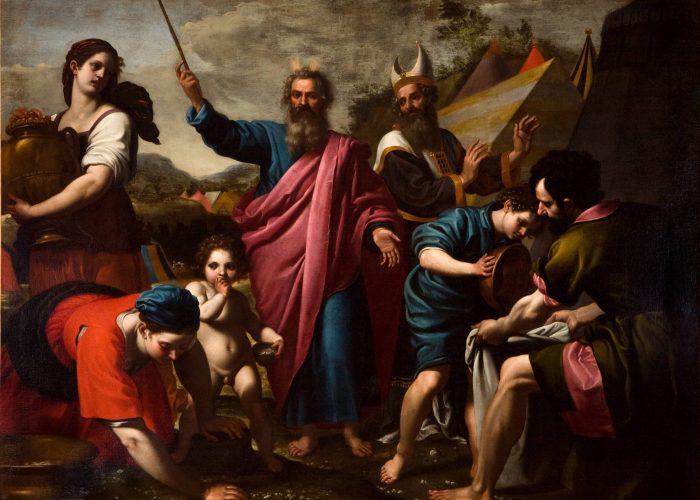
Exodus 16:4–21: Heavenly Bread
When the Lord's hand is in your mouth, you're fed generously. That Middle Eastern proverb is absolutely correct.
When we are hungry, we complain. We complain even if we are only going to miss one meal.
We are not the only ones who are pampered. The "whole congregation of Israel's sons grumbled... in the wilderness" (Exodus 16:2). Two million people were complaining to Moses and Aaron because they were terrified of missing a meal. Grumbling is a serious matter with dire implications. It appears six times in the following verses: "Your grumblings are not against us, but against the LORD" (v. 8).
They truly missed their "pots of meat" (v. 3). They were so devoted to their pots of flesh that they bargained with Moses, saying, "Would that we had died by the LORD's hand in the land of Egypt, when we sat by the pots of meat, when we ate bread to the full; for you have brought us out into this wilderness to kill this whole assembly with hunger?
The LORD desired for the people to have faith in Him. All they had to do was believe in him and obey him. We believe that walking by sight is far more convenient and prudent. The Lord then has an incredible way of kicking our false security out from under us, forcing us to trust Him. He shows us that He alone meets all of our needs.
Manna was provided by the Lord.
"Then the Lord said to Moses, 'Behold, I will rain bread from heaven for you; and the people shall go out and gather a day's portion every day, so that I may test them, whether or not they will walk in My instruction" (v. 4).
"Manna" is a translation of two Hebrew words that signify "What is it? God provided the manna, not Moses. For the next forty years, or until they crossed the Jordan, the LORD gave meat at night and manna in the morning (vv. 13–21, 35). The entire sixteenth chapter is devoted to obtaining and consuming manna. For forty years, they witnessed God provide! Every morning and evening, it should have produced a song of praise. "I saw God do it!" says one. It was a divine gift from Him. They did not put up any effort. They did not deserve it. It had no monetary value. God gave it to us for free. All they could do was take it. Every morning, everyone bent over, picked it up, and ate it!
However, the manna only supplied the body's temporary needs for a brief time. The Israelites grew to despise manna. They were often muttering and whining about it. With the exception of Joshua and Caleb, everyone who ate it died in the wilderness as a result of disbelief and disobedience!
The message is unmistakable. When you love Him, you have no difficulty obeying Him. "If you love Me, you will keep My commandments," said Jesus.
Jesus is the heavenly bread.
Manna represents Christ giving His life so that the believer may have eternal life. The actual manna is Jesus Christ. He is the bread of heaven.
Jesus speaks of bread that brings life. It is not a commodity but a person who gives life, which begins the moment someone believes in him and lasts forever. Because He is eternal, the life He provides is also eternal. Anyone who believes in Jesus is given eternal life. He is the source of life for everyone who believes in Him. In the same way that Yahweh provided manna in the wilderness of sin, Jesus is the heavenly supplier of the bread of heaven that gives eternal life. Whoever eats his bread will never die.
"This is the work of God," Jesus said, "that you believe in Him whom He has sent. "What then do You do for a sign, so that we may see and believe You?" they asked. What kind of work do you do? In the wilderness, our forefathers ate manna; as it is written, "He gave them bread out of heaven to eat. "Truly, truly, I say to you, it is not Moses who has given you the bread from heaven, but it is My Father who gives you the true bread from heaven," Jesus declared to them. For God's bread is that which descends from heaven and provides life to the world. Then they turned to Him and pleaded, "Lord, always give us this bread. "I am the bread of life; whoever comes to Me will not hunger, and whoever believes in Me will never thirst," Jesus told them. But I told you that even though you have seen Me, you do not believe" (John 6:29–36).
Jesus employed a figure of expression that indicates to put your trust in Him. We must appropriate the bread that He provides. We do so through faith in Him. Jesus does not mean the Lord's Supper or the "sacraments. A year later, the Lord's Supper was instituted. While speaking to the Jews who were arguing with him, Jesus would not have employed the symbolism of the Lord's Supper. They would be unable to comprehend him. "Eating" and "drinking" are just expressions of faith in Him and His provision of eternal life for us. By accepting Jesus as our personal Saviour, we "eat" and "drink" Him. Take note of how frequently Jesus mentions believing in Him in the context (vv. 29, 35, 40, 47, 69). His death provides all who believe in him with new life. The only reasonable interpretation is that faith is the spiritual adoption of Jesus Christ. "Truly, truly, I say to you, the one who believes has eternal life" (v. 47).
The apostle Paul's position on this matter is apparent in Galatians 2:16–20. "However, knowing that a man is justified not by the works of the Law but by faith in Christ Jesus, even we have believed in Christ Jesus, so that we may be justified by faith in Christ and not by the works of the Law; for no flesh will be justified by the works of the Law." I was crucified with Christ, and it is no longer I who live, but Christ who lives in me; and the life I now live in the flesh I live by faith in the Son of God, who loved me and gave Himself up for me.
Jesus is more than manna; He is our living bread. We can have as much of Him as we want, and we can never have too much of Him. We will never be dissatisfied with him. May the Lord heal our spiritual anaemia and help our hearts to feast at His table on a daily basis.
"I am life's bread. Your forefathers died after eating manna in the wilderness. This is the bread that descends from heaven, so that those who eat it will not perish. I am the living bread that descended from heaven; whoever eats of this bread will live forever; and the bread that I will give for the life of the world is My flesh. (John 6:48-51).
Jesus continued by emphasising that He comes from the Father in heaven and that we can have fellowship with Him. "Whoever consumes My flesh and drinks My blood abides in Me, and I in him." Because the living Father sent Me and I live because of the Father, whomever eats Me will also live because of Me. This is the bread that came down from heaven; it is not like the bread that the ancestors ate and died; anyone who eats it will live forever" (6:56–58).
On manna, Jesus has the final say. "He who has an ear, let him hear what the Spirit says to the churches," he remarked. To him who prevails, I will give part of the hidden manna, as well as a white stone with a new name engraved on it that no one knows save the one who receives it" (Revelation 2:17). Our heavenly bread is Jesus Christ. Come, let us feast on Him every day! As we abide in Him, we have life-giving fellowship. He is the only one who provides us with grace and strength for each day. Is it possible that we are currently partaking of the heavenly food that we will eat in Christ for all eternity?
This is the bread that descended from heaven so that a person could eat it and live. John 6:50
Revelation 2:17 states, "To him that overcometh will I give to eat of the hidden manna."
Manna refers to both Christ and His gifts. Because the Israelites' food in the wilderness was provided from heaven, the word "manna" signifies "to prepare."
According to Exodus 16:15, manna was first a weird and mysterious substance to the Israelites who had no idea what it was.The wonder of men and angels is Jesus Christ, and when he entered this world, even among his own, they did not recognise him. John 1:11–12, 1 Timothy 3:16.
Food was prepared in heaven for Manna.According to Hebrews 10:5, Christ had a body prepared by the Father so that he may be food for believers.
From heaven, manna came down or descended.The actual manna, or bread from heaven, is Christ. John 6:35.
White was Manna. It was a good, noble, and shining thing.Revelation 1:1 describes Christ as being without sin; 1 Peter 2:22.
Manna had a rounded build and appearance.Respecting his Divinity, Christ is without beginning or end, limitless, perfect, and complete.
Israel received manna as a gift; it didn't cost them anything.John 4:10 refers to Christ as a gift, the best present that God has ever given, freely offered for the sake of the world.
Everyone received manna, even the affluent and the poor; no one was prohibited from eating it.Christ is sent to everyone, including Jews and Gentiles, people of all social classes, including both the wealthy and the destitute.
Manna tasted delicious and had a distinct sweetness to it.Christ contains everything that is pleasing, sweet, and delectable in a spiritual sense; his words are as sweet as honey or honeycomb: "O taste and see that the LORD is good." Psalm 34:8.
Manna was provided in large plenty and provided good nutrition.Christ is very sufficient and abundant; there is enough in him to sustain and feed everyone. What soul exists that cannot be fully satisfied if it comes to Christ?
In order to make manna more usable as food, it was to be bruised in a mill.Christ was wounded so that he may be the nourishment for our souls: "Yet it pleased the LORD to bruise him," Jeremiah 53:10.
All of the Israelites received the same amount of manna; each person had their own portion, or omer, and no one had more than the others.Every saint is given a complete Christ, and every believer has an equal share in him. They all have the same portion, husband, kingdom, and crown that never fades.
Manna appeared to be a little, insignificant object—similar in size to a coriander seed.According to Philippians 2:7, Christ was unimportant, lowly, and despised by the world. He had no reputation.
Manna descended with the dew; as with the dew, it was concealed.Christ descended with the spiritual dew, being baptised or coated with it; consequently, Revelation 2:17 calls him the "hidden Manna."
The Israelites were not provided manna while they were in Egypt.Unbelievers who continue to live in slavery and servitude under the influence of sin and Satan are not given Christ, who is the actual Manna.
Only in the area surrounding Israel's camp did manna fall.Within the confines of his Church, Christ is literate. The blessings of the Spirit descended upon Mount Hermon, "As the dew of Hermon, and as the dew that descended upon the mountains of Zion," Psalms 133:3. God gave the blessing—including eternal life—there. "And there was in the midst of the seven candlesticks one like unto the Son of Man," Bible verse 1:13.
Israel received manna in the wilderness, and for the duration of their sojourn in the desert, it served as their sole source of nutrition.We, who are in the wilderness or desert of this world, are given Christ and the blessings of Christ. We must rely solely on Christ via faith while we are in this wretched wilderness since we have no other sources of nourishment for our spirits.
Except for the Sabbath, when none could be discovered, it was collected every day.Those who want Christ must seek him out during the time period that God has designated. There won't be a Christ or Manna for sinners on the day of the wonderful Sabbath rest that belongs to God's people.
To collect it, they left their tents.If we want to join in Christ, 2 Corinthians 5:17, we must get rid of the old man, carnal pleasures, and love of this world.
Manna stank and produced worms if it was stored or consumed outside of what God had prescribed.Any use or reception of the Lord's Supper or any other institution of Christ outside of what He has decreed and appointed stinks in God's nostrils and is detested by honest men.
When Israel entered Canaan, manna ceased to exist.When we get to heaven, we won't need to continue living by faith or eating from ordinances.
Israel was the only group to receive manna.Only Christians get Christ and the Bread of Life.
Manna was to be consumed by those who would benefit from it.Those who profit from Christ's atoning work must accept and ingest him spiritually through faith.
Israel received manna very timely; otherwise, they would have starved.Christ was promised in due season, and he entered the world in due season, just in time. According to Romans 5:6, "Christ died for the ungodly in due time." We would have been lost forever.
Manna was to be preserved and placed in a golden pot in front of the Lord so that it would last there eternally.According to Hebrews 9:24, Christ is exalted in heaven in his human form at God's right hand and stays there forever for the faithful.
The vile murmurers who were the target of God's wrath detested manna; they thought of it as light bread.Carnal and ungodly folks despise Jesus Christ and his message, ordinances, and administrations; in fact, many consider Christ's excellent word to be mere bread.
Manna fell copiously the night before the Sabbath so that people may gather it the next day and use it to feed themselves on the Sabbath.Christ is now more fully shown before the last day, the beginning of the actual eternal sabbath, in order to provide for the needy saints before the everlasting rest and the end of times. Chapter 14:6.
Type diversity
Only the body received nourishment from the Manna, not the inner man.Christ satisfies the soul.
Even though they belonged to the national church of the Jews, many evil people consumed manna.Christ is only food for and accepted by those who are truly virtuous and Israelites in the truest sense. "He who consumes my flesh and drinks my blood abides in me, and I abide in him. He who eats me will also live by me, just as the living Father sent me and I am sustained by the Father. John 6:56-57.
Manna did degrade and rot.Christ, the genuine Manna, is impervious to corruption and endures forever.
Manna was only discovered seldom since it vanished as soon as the sun rose.Christ never changes and is always available to those who seek him wisely, in both good times and bad.
Those who consumed Manna in the wilderness are no longer with us; they died.Those who consume spiritual Manna won't perish. According to John 5:24, "He who hears my word and believes in him who sent me has everlasting life and shall not be brought into judgement; but is passed from death unto life." According to John 6:50, "This is the bread that came down from heaven, that one who eats of it shall not perish."
The Manna that was kept back for the most sacred places rotted and died.