
Week 1. Nature and Character of God, Sin, Faith / Repentance / Restitution
Chapter 1: Rameses – Leaving Bondage, Faith and Repentance
Parallel: The Prodigal Son (Luke 15:11-32)
Scripture: "For all have sinned and fall short of the glory of God." (Romans 3:23)
Introduction: The Significance of Rameses
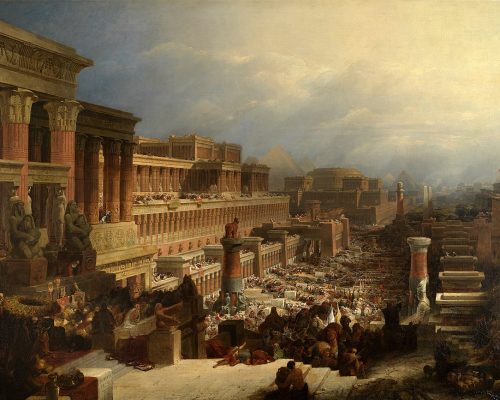
Rameses, the initial starting point of Israel’s journey from slavery in Egypt, symbolises a place of bondage and oppression. For over 400 years, the Israelites endured the cruel reign of Pharaoh, toiling under heavy burdens and having no hope of escape. Yet, in His mercy, God raised up Moses and Aaron to lead His people out of captivity and into freedom, marking the beginning of their wilderness journey.
In parallel, our spiritual journey begins with the realisation that we are similarly ensnared—in bondage to sin. Just as Israel’s deliverance from Egypt necessitated divine intervention, so too does our liberation from sin require the work of God. This chapter explores the significance of leaving Rameses, symbolising the initial step in the Christian walk: acknowledging our need for salvation and turning to God for deliverance.
Rameses: A Place of Bondage
The name "Rameses" has become synonymous with the Israelites’ life of servitude in Egypt. It represents the world’s system—a place where people are trapped in cycles of sin, unable to break free on their own. The Israelites groaned under the weight of their labor, just as humanity groans under the weight of sin and separation from God.
The plagues that God sent against Egypt directly challenged the gods of the Egyptians and Pharaoh’s hard heart. Each plague—from the waters turning to blood to the death of the firstborn—was a striking reminder of God's sovereignty over false gods like Hapi (the god of the Nile) and Osiris (the god of the afterlife). Despite seeing these signs and wonders, Pharaoh’s heart remained hardened, leading to further suffering for the Israelites. This illustrates how sin can also harden our hearts, causing us to resist the very liberation that God offers.
Nature and Character of God, Sin, Faith / Repentance / Restitution
The story of the Children of Israel’s Exodus and the of the nature and character of God, sin, faith, repentance, and restitution are interconnected in highlighting God's holiness, mercy, justice, and love. During the Exodus, the Israelites witnessed God's mighty power, His unwavering faithfulness, and His compassionate character in delivering them from slavery. God is portrayed as a just and holy God who cannot tolerate sin but also a merciful Father who offers forgiveness when His people repent.
Sin separates humanity from God, as seen in the Israelites’ repeated disobedience and idolatry during their journey. Sin’s destructive power is evident in how it causes brokenness—both spiritual and relational. Christianity emphasizes the need for faith to trust in God's mercy and His ability to forgive sins through repentance. True faith involves turning away from sin and trusting in God's saving grace, just as the Israelites were called to turn back to God in obedience.
Repentance is a vital principle, requiring genuine remorse, confession, and a changed heart. The Israelites’ return to God through repentance restored their relationship with Him and renewed His covenant with them. Restitution and reconciliation follow true repentance, highlighting that restoring what has been broken—either relationships or moral integrity—is essential for healing and growth.
God’s character is foundational for understanding His dealings with His people. He is loving but also just, merciful yet holy. His readiness to forgive when people genuinely repent demonstrates His loving character and desire for restoration rather than condemnation.
In conclusion, understanding God’s nature, human sin, and the principles of faith, repentance, and restitution are central to the Christian faith and the biblical narrative. They remind believers of God's mercy and justice and encourage a sincere response of faith and repentance, restoring their relationship with God and enabling them to live in accordance with His divine character.
The nature and character of God
The nature and character of God are foundational to understanding the Christian faith. God is infinitely perfect, loving, and holy. His nature reflects both justice and mercy, demonstrating righteous anger against sin while extending mercy and forgiveness to those who repent. The Bible describes God as compassionate and slow to anger, abundant in lovingkindness, and faithful in His promises (Exodus 34:6-7). His mercy is revealed in His willingness to forgive sin and restore those who turn to Him with sincere hearts.
God’s holiness is a central aspect of His character, meaning He is completely pure, separate from sin, and morally perfect. His holiness calls believers to live in reverence and obedience, recognizing His sovereignty over all creation. At the same time, God's love is a key part of His character; He loves humanity deeply and desires a personal relationship with every person. John 3:16 affirms that God's love for the world led to the giving of His Son, Jesus Christ, for the salvation of all.
God is also just, ensuring that righteousness prevails. His justice guarantees that sin and evil will be dealt with, but His mercy offers forgiveness and salvation to those who genuinely repent. His character as a caring Father is evident in His patience and grace, always ready to forgive and restore His children.
In summary, the nature and character of God encompass His holiness, love, mercy, justice, and faithfulness. Understanding these qualities helps believers to trust Him completely, worship Him reverently, and strive to reflect His character in their lives. God’s character is unchanging and perfect, and He remains the faithful, loving Creator and Savior for all eternity.
Gods Attributes
- Love
- Mercy
- Grace
- Holiness
- Justice
- Faithfulness
- Omnipotence (All-powerful)
- Omniscience (All-knowing)
- Omnipresence (Present everywhere)
- Eternity
- Sovereignty
- Wisdom
- Compassion
- Patience
- Righteousness
- Creator
- Immutability (Unchanging)
- Truth
- Light
- Goodness
- Forgiveness
- Long-suffering
- Kindness
- Sovereign Authority
- Redeemer
- Protector
- Shepherd
- Helper
- Shepherd
- Hope
- Source of Life
- Purity
- Faithfulness
- Absoluteness
- Enlightenment
- Providence
- Compassionate Judge
- Avenger of evil
- Sustainer
- The Rock (Foundation and stability)
- The Alpha and the Omega (Beginning and End)
- The Healer
The Prodigal Son
The teaching of leaving bondage, faith, and repentance are deeply connected through God's nature, His mercy, and His desire for restoration. During the Exodus, the Israelites were in physical and spiritual bondage—slaves to Pharaoh and enslaved by sin. God's power delivered them, showcasing His mercy, holiness, and faithfulness. This event symbolizes God's willingness to free people from all forms of bondage when they trust in Him.
The parable of the Prodigal Son (Luke 15:11-32) vividly illustrates the importance of repentance and faith. The son leaves his father’s house, squander his inheritance, and falls into sin, symbolizing humanity’s tendency to rebel and fall short of God's perfect standard (Romans 3:23). However, upon repentance, the father’s love and mercy resound as he joyfully welcomes the son back, demonstrating God's character as a loving, merciful, and forgiving Father. This shows that God desires His people to turn away from sin through faith and genuine repentance.
God’s nature is one of love, mercy, and justice. He is patient and longsuffering, always ready to forgive when His people humble themselves and return to Him. Leaving bondage involves recognizing our sinful state, having faith that God's grace can set us free, and genuinely repenting—turning away from sin toward God’s character of righteousness and love. Restitution and reconciliation are essential, as restoring broken relationships reflects God’s forgiving love.
In conclusion, both the Exodus and the Prodigal Son emphasize that God's desire is for His people to leave bondage through faith and repentance, experiencing His mercy and restoring their relationship with Him. They reveal His loving, forgiving character, beckoning all to return and live in freedom and righteousness.
Reflection: The Prodigal Son
The parallel in the New Testament is the story of the Prodigal Son in Luke 15:11-32. Like the Israelites in Egypt, the Prodigal Son chose a path that distanced him from his father, squandering his inheritance on sinful living. It was only when he reached rock bottom that he recognised his desperate need for change.
Reflection: The Prodigal Son: Realising Our Need for Freedom
The story of the Prodigal Son serves as a powerful metaphor for seeking freedom from sin and returning to God. In this parable, Jesus describes a young man demanding his share of his inheritance and journeying to a distant land where he wasted it all on wild living. When a famine struck, he found himself destitute, feeding pigs and longing to eat their food—echoing the feeling of insignificance and separation experienced by the Israelites in Egypt.
Reflection: Reflection: Acknowledging Our Bondage
In Romans 3:23, Paul reminds us, “For all have sinned and fall short of the glory of God.” Like the Prodigal Son, we pursue our desires, seeking fulfilment apart from God’s will. This leads us into spiritual bondage, where we become slaves to sin, severed from our true purpose and from the loving relationship with our Heavenly Father.
Reflection: The Decision to Return
The journey of the Prodigal Son back to his father mirrors the Israelites’ departure from Rameses. He realised that even his father’s servants lived better than he did in his broken state. In humility, he decided to return home, confessing his unworthiness and seeking forgiveness. The Father, who represents God in the parable, embraced him with open arms, rejoicing over his return.
For the Israelites, leaving Rameses required a decisive moment of faith and repentance. After years of suffering under Pharaoh’s oppression, they called out to God, and He responded by sending Moses and Aaron to lead them out. Their step of faith resonates with the Prodigal Son’s decision to abandon his self-imposed exile and return to his father’s house.
Leaving Rameses: The First Step in the Christian Walk
Leaving Rameses is not solely about escaping physical bondage; it’s about a conscious choice to depart from the sin that keeps us captive. The Christian journey commences with the recognition that we are enslaved by sin and in dire need of a Saviour.
Reflection: The Call to Repentance
Repentance is the first step in forsaking our spiritual Rameses. Just as the Prodigal Son “came to his senses” and returned home, we must recognise our lost state without God. Naturally, we all resemble the prodigal, evading the Father’s love. The beautiful truth of the Gospel is that God tirelessly awaits our return, ready to receive us when we repent and turn to Him.
Reflection on Romans 3:23
Paul’s words in Romans 3:23 remind us that everyone has fallen short of God’s glory. Our sin separates us from Him, mirroring the plight of the Israelites in Egypt who were trapped in bondage without hope. Just as they could not escape Egypt on their own, we cannot liberate ourselves from sin through our own efforts. We desperately need a Redeemer—a Saviour who can break the chains of sin and set us free.
Reflection: Repentance is a true change of mind and heart about sin, resulting in a person turning away from sin and seeking to honor God. The Old Testament prophets frequently taught the need for repentance. Jesus taught repentance as well, and so did the New Testament apostles. So what is repentance, and why does it matter?
Reflection: Defining Repentance No one can pursue two paths in life at the same time. Thus the main word in the Old Testament for repentance simply means “to turn.” In repentance, a person turns from sin and turns to God. The main word in the New Testament means “a change of thinking.” Repentance involves adopting a new perspective on reality, including a new view of sin, of God, and of myself.
The New Testament also talks about an emotional response of remorse or regret which goes along with repentance. But the feeling itself is not true repentance. Such a feeling can arise for many reasons. True repentance may start with remorse but also includes a decision to forsake sin.
Reflection: Repentance, then, is a godly sorrow over sin, coupled with a sincere commitment to turn from sin and live to honour God. It is motivated not just by the consequences of sin, but by a realisation that our sin offends God – whether anyone catches us or not.
Reflection: Repentance Is Part of Salvation Along with faith, repentance is an indispensable condition for salvation. No one can be forgiven of sins without some initial repentance. A person must turn from their sinful, self-directed life and turn to God – at least at some foundational level.
Reflection: Mark 1:15 Jesus taught, “The Kingdom of God is near! Repent of your sins and believe the Good News!”
Reflection: Acts 17:30 The apostle Paul told the pagan Greeks, “God overlooked people’s ignorance about these things in earlier times, but now he commands everyone everywhere to repent of their sins and turn to him.”
Reflection: True repentance demonstrates that a person understands God’s good news message of salvation. When people come to grips with the reality of sin, its seriousness, and its power, they can truly appreciate what Jesus accomplished on the cross and how amazing God’s saving grace truly is.
Reflection: Repentance from sin and trusting in Jesus are two sides of the same coin. No one can say they have true saving faith without any repentance for sin at the same time.
Reflection: Repentance Produces a Changed Life Genuine repentance takes place the moment a person understands the evil of his or her sin, is truly sorry for it and chooses to forsake it. That inner act is real and valid even if the person has not had time to demonstrate it by outward actions.
Reflection: Repentance itself occurs in the heart. What follows in action is not repentance, but the fruit of repentance. Thus it is possible for someone to repent even at the end of life when no time remains to show what repentance would produce. Yet given time, repentance will eventually result in a life that honours God. Christians will continue to sin. But repentance places a person on a new path leading in a new direction. The apostle Paul said:
Reflection: Acts 26:20 I preached first to those in Damascus, then in Jerusalem and throughout all Judea, and also to the Gentiles, that all must repent of their sins and turn to God—and prove they have changed by the good things they do.
Reflection: Repentance Continues Throughout the Christian Life While repentance is necessary for a person to enter into a relationship with God, it doesn’t end there. After our initial defining moment, the same attitude of repentance marks our entire life as Christians. Jesus called his followers in Sardis to repent.
Reflection: Revelation 3:3 Go back to what you heard and believed at first; hold to it firmly. Repent and turn to me again.
Each day Christians should experience heartfelt repentance for any sins we have committed. We should continually place ourselves on the right path by owning our sins and turning from them as they occur.
Application: Taking the First Step Toward Freedom
- Recognising Our Bondage: Like the Prodigal Son and the Israelites in Rameses, we must first acknowledge the areas in our lives where sin has kept us in bondage. Whether it’s addiction, pride, anger, or self-reliance, we must recognise that true freedom lies in surrendering to God and allowing Him to work in our hearts.
- Repentance and Humility: True freedom begins with genuine repentance. The Prodigal Son humbled himself and confessed his sins before his father. As we approach God with brokenness and humility, confessing our transgressions, we discover that He is ready to forgive and restore us. This act of repentance is essential for embarking on our journey toward spiritual liberation.
- Responding to God’s Call: Just as God called the Israelites to leave Rameses, He calls each of us to abandon our old life and follow Him. This journey requires faith and obedience. The first step may be daunting, but the promise of true freedom in Christ makes it worthwhile. It’s vital to listen to God’s voice and be willing to act upon His guidance.
- Receiving Grace: The Prodigal Son didn’t earn his father’s love, and we cannot earn God’s grace; it is freely given. When we turn to God, He meets us with love, mercy, and forgiveness—just as the father welcomed his wayward son with exuberance. Understanding that grace is a gift liberates us from the burden of trying to earn God’s favour.
Conclusion: The Joy of Leaving Bondage
The journey of the Israelites from Rameses to the Promised Land parallels the Christian journey from sin to salvation. Just as the Israelites had to let go of their familiar yet oppressive life in Egypt, we too must release the life of sin to embrace the fullness of God’s promises.
The story of the Prodigal Son reminds us that no matter how far we have strayed, the Father is always waiting with open arms to receive us. Leaving Rameses—the place of bondage—is the first step in a long journey of faith, filled with the promise of freedom and new life in Christ.
Prayer:
"Father, we are often like the Prodigal Son, wandering far from Your embrace and living in bondage to sin. Thank You for Your grace and mercy, which are always ready to receive us when we turn back to You. Help us leave behind the chains of our past, entrusting ourselves to Your transformative power so that we can embrace the freedom You offer through Jesus Christ. Amen."
This chapter beckons us to reflect on the necessity of repentance, the joy of shedding spiritual bondage, and the grace that meets us as we begin our faith journey. Just as the Israelites took their first steps out of Egypt, we too can take our initial steps toward spiritual freedom today.
Week Chapter 0: The Call of Liberation
The oppressive sun bore down upon the bustling construction site where Bob the Bricky and his family toiled endlessly. The pyramids rose like daunting giants on the horizon, symbols of both grandeur and suffering. Bob, with sweat dripping from his brow and hands calloused from years of labor, paused to gaze at the towering structures. His wife, Nancy, labored nearby, their children Caleb, Joshua, and Sharon helping as best as their youthful energy allowed. Life was hard for the Israelites, yet hope was a distant, flickering candle they dared not extinguish.
As the day wore on, whispers filled the air about two strange men who claimed to speak for God, the God of their forefathers. Moses and Aaron had returned to Egypt with bold proclamations: a promise of freedom and a new land flowing with milk and honey. Skepticism was as thick as the dust that coated everything, yet amidst the doubt, Bob felt a stirring—a call to believe.
That evening, within the confines of their humble dwelling, Bob and Nancy gathered their children close. News of Moses’ confrontation with Pharaoh spread like wildfire. Aaron's booming voice had declared God's message: "Let my people go!" Yet, Pharaoh's heart remained hardened. To break the chains of their captivity, God had unleashed plagues upon the land, each more severe than the last.
The river bled red as blood, a vivid testament to divine power. Frogs, gnats, and locusts followed, a relentless parade of chaos. Livestock perished, boils broke out, and darkness covered Egypt, choking hope from even the stoutest of hearts. But with each plague, the Israelites saw God’s might and justice, slowly transforming fear into burgeoning faith.
Bob and Nancy watched as the plagues took their toll, untouched by the calamity befalling their Egyptian oppressors. It was a powerful testament. “Papa, why does God send these plagues?” young Caleb asked, eyes wide with a mixture of wonder and fear.
“It is both judgment and mercy,” Bob replied, lifting Caleb onto his knee. “God shows His power to free us. We must have faith.”
That night, as the final plague drew near, a solemn stillness settled over their home. Moses had instructed them to mark their doorposts with lamb's blood, and they obeyed with trembling hands. The blood symbolized faith and obedience, a mark of divine protection. As whispers of the Angel of Death passed through the night, the Israelites knelt in prayer, redemption within reach.
Morning light revealed the firstborn of Egypt gone, yet sparing those sheltered by faith. Cries of despair echoed through the land, but they heralded a new dawn for the children of Israel. God’s promise was true, and for the first time in generations, hope soared unchained.
The first step towards freedom was fraught with uncertainty. As Bob gathered his family, he marveled at their resilience, their belief in a promise unseen but deeply felt. Nancy, steady and resolute, smiled through tears. Their children, wise beyond their years, clung to the stories of faith and redemption they had witnessed.
As they joined the throng of Israelites moving toward the unknown, Bob felt a profound transformation. They were no longer slaves; they were a people chosen, moving towards a covenant with the Almighty. It was the beginning of a journey unparalleled—a testament to faith, redemption, and the enduring character of God.
With hearts alight with faith and hope, Bob and his family stepped forward, casting the shackles of the past into the dust. Their struggle was far from over, yet they carried within them the seeds of something enduring—a shining gem in the wilderness of life.