

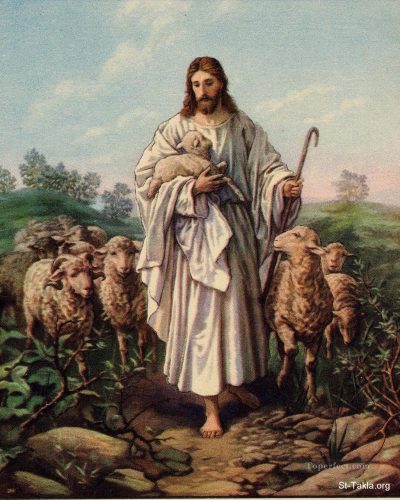
Character of God
Amazing Attributes of God: What They Mean and Why They Matter
A: Aseity
D: Divine providence, Divine retribution, Divine simplicity
F: Fatherly
G: God and eternity, Glorious, Grace, Great Architect of the Universe
I: immanence, immutability, impassibility, impeccability, and incorporeality
L - Love
M: Mercy, Mission of God
O: Omnipotence, Omnipresence
M: Motherly
R-Righteousness
S: Sacredness, Sole Satisfier, Sovereignty of God
T: Transcendence, Trinity
W: Divine wisdom
What are God’s attributes? When we talk about the attributes of God, we are trying to answer questions like, Who is God? What is God like? And what kind of God is he? An attribute of God is something true about him. While fully comprehending who God is is impossible for us as limited beings, God does make himself known in a variety of ways, and through what he reveals about himself in his Word and in his creation, we can begin to wrap our minds around our awesome Creator and God.
God is unlike anything or anyone we could ever know or imagine. He is one of a kind, unique, and without comparison. Even describing him with mere words truly falls short of capturing who he is; our words simply cannot do justice to describe our holy God.
Still, God possesses attributes that we can know (even in part), and he’s given us his Word as a means to understand himself. We’ve compiled a list of 15 of God’s attributes; some are what theologians call "incommunicable" (qualities possessed by God alone), and others are "communicable" (qualities that both God and we possess, though only he possesses them perfectly).
Here are 15 attributes of God, what they mean, and why they matter:
1. God Is Infinite; He Is Self-Existing, Without Origin
And he is before all things, and in him all things hold together. Colossians 1:17
"Great is our Lord, and abundant in power; his understanding is beyond measure" (Psalm 147:5).
The fact that God is self-existent—that he was created by nothing and has always existed forever—is perhaps one of the hardest attributes of God for the believer to understand. In our limitedness, grasping the nature of our limitless God is like holding onto water as it rages down a river. Indeed, Tozer writes this about the confusing, head-spinning attribute of God’s infinity:
‘To admit that there is One who lies beyond us, who exists outside of all our categories, who will not be dismissed with a name, who will not appear before the bar of our reason, nor submit to our curious enquiries: this requires a great deal of humility, more than most of us possess, so we save face by thinking God down to our level, or at least down to where we can manage Him."
In his article on Christianity.com, Dr. Adrian Rogers writes about the self-existence of God: "The name Jehovah is used some 6,800 times in the Bible. It is the personal covenant name of Israel's God. In the King James Version of the Bible, it's translated Lord God. Not only does it speak of God's strength, but it also speaks of the sovereignty of God and the goodness of God. The root of this name means self-existing, meaning one who never came into being and one who always will be. When Moses asked God, "Who shall I tell that Pharaoh has sent me? God said, "I AM THAT I AM. Jehovah, or Yahweh, is the most intensely sacred name to Jewish scribes, and many will not even pronounce the name. When possible, they use another name."
2. God Is Immutable; He Never Changes
I, the Lord, do not change. So you, the descendants of Jacob, are not destroyed. Malachi 3:6
God does not change. Who he is never changes. His attributes are the same from before the beginning of time until eternity. His character never changes; he never gets "better" or "worse. His plans do not change. His promises do not change.
This ought to be a source of incredible joy for believers. Sam Storms writes this about the good news of God’s unchanging nature: "What all this means, very simply, is that God is dependable! Our trust in him is therefore a confident trust, for we know that he will not, indeed cannot, change. His purposes are unfailing, and his promises are unassailable. It is because the God who promised us eternal life is immutable that we may rest assured that nothing, not trouble, hardship, persecution, famine, nakedness, danger, or sword, shall separate us from the love of Christ. It is because Jesus Christ is the same yesterday, today, and forever that neither angels nor demons, neither the present nor the future, not even powers, height, depth, nor anything else in all creation, will be able to separate us from the love of God that is in Christ Jesus our Lord (Rom. 8:35–39)!"
3. God Is Self-Sufficient; He Has No Needs
"For as the Father has life in himself, so he has granted the Son also to have life in himself. John 5:26
As limited humans, we have incredible needs that, left unfulfilled, result in death. God, however, has never once been in need of anything. As Tim Temple writes, "God is perfectly complete within his own being."
In a blog post on Reformation21.org, Scott Swain writes that the self-sufficiency of God means he "possesses infinite riches of being, wisdom, goodness, and power in and of himself (Gen 17:1; John 5:26; Eph 3:16). Because he possesses these unfathomable riches in the perfect knowledge and love of the Father, Son, and Holy Spirit (Matt 11.25–27; John 17:24–26), God is the "blessed" or "happy" God (1 Tim 1.11; 6:15)."
Because God is self-sufficient, we can go to him to satisfy all our needs. We never have to worry about "drying up" his never-ending well of goodness, peace, mercy, and grace. "Now to him who is able to do immeasurably more than all we ask or imagine, according to his power that is at work within us... (Ephesians 3:20)
4. God is Omnipotent; He Is All Powerful
"By the word of the LORD the heavens were made, their starry host by the breath of his mouth. Psalm 33:6
"Can you fathom the mysteries of God? Can you probe the limits of the Almighty? They are higher than the heavens above—what can you do? They are deeper than the depths below—what can you know? Their measure is longer than the earth and wider than the sea. If he comes along and confines you in prison and convenes a court, who can oppose him? Surely he recognises deceivers, and when he sees evil, does he not take note? Job 11:7–11
Omnipotent means to have unlimited power (omni = all; potent = powerful). God is able and powerful to do anything he wills without any effort on his part.
It’s important to note the "anything he wills" part of that statement because God cannot do anything that is contradictory or contrary to his nature. Hebrews 6:18 puts it like this: "God did this so that, by two unchangeable things in which it is impossible for God to lie, we who have fled to take hold of the hope set before us may be greatly encouraged."
In his devotional Forward, Ron Moore puts it like this: "God's attribute of omnipotence means that God is able to do all that He desires to do. When he plans something, it will come to pass. If he plans something, it will happen. Nothing can prevent his plan. When his hand is stretched out to do something, no one can turn it back. Omnipotence comes from two Latin words. Omni means "all," and potens means "powerful. God's decisions are always in line with His character, and He has all the power to do whatever He decides to do."
"Scripture is clear that God is strong and mighty (Psalm 24:8). Nothing is too hard for Him to accomplish (Genesis 18:14; Jeremiah 32:17–27; Luke 1:37). Often, God is called "Almighty," describing Him as the One who possesses all power and authority (2 Corinthians 6:18; Revelation 1:8). In fact, Paul says that God is "able to do immeasurably more than all we ask or imagine" (Ephesians 3:20)."
"Although such power might seem frightful, remember that God is good. He can do anything according to his infinite ability, but he will only do those things that are consistent with himself. That’s why He can’t lie, tolerate sin, or save impenitent sinners." John MacArthur
5. God Is Omniscient; He Is All-Knowing
"Remember the former things, those of long ago; I am God, and there is no other; I am God, and there is none like me. I make known the end from the beginning, from ancient times, and what is still to come. I say, My purpose will stand, and I will do all that I please. Isaiah 46:9–10
God is omniscient, which means he knows everything. Debbie McDaniel writes this about the omniscience of God: "He can be everywhere at the same time. And He never sleeps or slumbers; He's aware every moment of every day of exactly what we're up against. He knows our way and is always with us. There's no place on this earth we can go that He doesn't see and know of."
Tozer writes this about God’s omniscience: "God perfectly knows Himself, and, being the source and author of all things, it follows that He knows all that can be known. And this He knows instantly and with a fullness of perfection that includes every possible item of knowledge concerning everything that exists or could have existed anywhere in the universe at any time in the past or that may exist in the centuries or ages yet unborn."
Because God is all-knowing, we can trust that he knows everything we’re going through today and everything we will go through tomorrow. When we meditate on this truth, especially in light of his other attributes of goodness and love, it makes it easier to trust him with all we have going on in our lives, from the very serious to the silly and mundane.
6. God Is Omnipresent—He Is Always Everywhere
"Where can I go from Your Spirit? Or where can I flee from your presence? If I ascend to heaven, you are there; if I make my bed in hell, behold, you are there. If I take the wings of the dawn, if I dwell in the remotest part of the sea, even there Your hand will lead me, and Your right hand will lay hold of me. Psalm 139:7-10
"‘Am I a God at hand,’ declares the Lord, ‘and not a God afar off? Can a man hide himself in secret places so that I cannot see him?’ declares the Lord. ‘Do I not fill heaven and earth?’ declares the Lord. Jeremiah 23:23–24
To be omnipresent is to be in all places at all times. Yet, it is important to understand that for God "to be" in a place is not the same as being in a place. "God’s being is all together different from physical matter," the website Ligonier.org explains. "He exists on a plane wholly distinguishable from the one readily available to the five senses."
Nevertheless, he is with us, and the fullness of his presence is all around us. "Where shall I go from your spirit? Or where shall I flee from your presence? If I ascend to heaven, you will be there! If I make my bed in Sheol, you are there! If I take the wings of the morning and dwell in the uttermost parts of the sea, even there your hand shall lead me, and your right hand shall hold me. The psalmist proclaims God’s omnipresence in Psalm 137.
This ought to bring deep comfort to Christians who struggle with loneliness and deep sorrow. In a very real way, God is always near us, "closer than our thoughts," writes Tozer. "The knowledge that we are never alone calms the troubled sea of our lives and speaks peace to our soul."
7. God Is Wise: He Is Full of Perfect, Unchanging Wisdom
"Oh, the depth of the riches both of the wisdom and knowledge of God! How unsearchable are His judgements and how unfathomable are His ways! Romans 11:33
Wisdom is more than just head knowledge and intelligence. A truly wise person is someone who understands all the facts and makes the best decisions. A wise person uses his heart, soul, and mind together with skill and competence. But even the wisest man on earth would never come close to being as wise as God.
God is infinitely wise, consistently wise, and perfectly wise. Tozer writes, "Wisdom, among other things, is the ability to devise perfect ends and to achieve those ends by the most perfect means. It sees the end from the beginning, so there is no need to guess or conjecture. Wisdom sees everything in focus, each in proper relation to the others, and is thus able to work towards predestined goals with flawless precision."
Indeed, when we see wisdom like this, we realise just how much our limited, finite wisdom compares with the limitless, infinite wisdom of God. And how comforting and wonderful this is for man to dwell on! The fact that God can never be more wise means that he is always doing the wisest thing in our lives. No plan we could make for our lives could be better than the one he has already crafted and is carrying out for us. We might not understand his ways today, but we can trust that because God is infinitely wise, he truly is working all things out in the best possible way.
8. God Is Faithful—He Is Infinitely, Unchangingly True
"Know therefore that the LORD your God is God; he is the faithful God, keeping his covenant of love for a thousand generations of those who love him and keep his commands. Deut 7:9
If we are faithless, he remains faithful, for he cannot deny himself. 2 Timothy 2:13
As with all of God’s attributes, they are not separate, isolated traits but interconnected parts of his perfect whole being. So his faithfulness cannot be understood apart from his immutability—the fact that he never changes. So when we read that God remains faithful because he cannot deny himself, we see these attributes working together. The fact that he is unchanging means he can never not be faithful.
A. W. Pink writes this about God’s faithfulness: "God is true. His word of promise is sure. In all His relationships with His people, God is faithful. He may be safely relied upon. No one has yet really trusted Him in vain. We find this precious truth expressed almost everywhere in the Scriptures, for His people need to know that faithfulness is an essential part of the divine character. This is the basis of our confidence in Him."
The fact that God is infinitely, unchangingly faithful means that he never forgets anything, never fails to do anything he has set out to do, never changes his mind, or takes back a promise. And his faithfulness pours out from his love, so we can trust Paul’s word that "in all things God works for the good of those who love him."
Of course, we don’t always understand or see how his plan is faithful. In our limited understanding and finite minds, God’s faithfulness might look a lot like abandonment. How could a faithful God allow his children to suffer, to hurt, and to die? But Christians can take comfort in these moments by remembering these attributes of God, for when we go through hard times, we know that God is nevertheless unchangingly faithful, good, always with us, and wise. Faithfully trusting in who God says he is is a great comfort. "For now we see in a mirror dimly, but then face to face. Now I know in part; then I shall know fully, even as I have been fully known. 1 Corinthians 13:12
9. God Is Good: He Is Infinitely, Unchangingly Kind, and Full of Good Will
Taste and see that the Lord is good" (Psalm 34:8).
According to Tozer, the goodness of God "disposes Him to be kind, cordial, benevolent, and full of good will towards men. He is tenderhearted and of quick sympathy, and his unfailing attitude towards all moral beings is open, frank, and friendly. By His nature, He is inclined to bestow blessings, and He takes holy pleasure in the happiness of His people."
Just like his other attributes, God’s goodness exists within his immutability and infinite nature, so that he is always good. His mercy flows from his goodness. " In his goodness to us, we see that He has purposed to be good in a special way to his people (Ligonier.com).
As with God’s other perfect attributes, Christians find it easier to affirm the goodness of God when things are going well. When life takes a nosedive, though, that’s when we begin to question God’s goodness towards and for us.
When the Psalmist writes, "O, taste and see that the Lord is good (Psalm 34), he is inviting us not just to believe that God is good but to experience God’s goodness. And, interestingly, as Desiring God writer Andrew Wilson notes in his article on the subject of God’s goodness, "the psalmist affirms his experience of God’s goodness from a place of suffering. In verse 19, he makes the remarkable announcement, "Many are the afflictions of the righteous. Even with a good God, who is sovereign over everything and has the power to do whatever he likes, good people still suffer. His punchline, though, comes in the next phrase: "But Yahweh delivers him out of them all."
Evil happens, but "none of those who take refuge in him will be condemned" (34:22).
10. God Is Just: He Is Infinitely, Unchangeably Right, and Perfect in All He Does
"The Rock! His work is perfect, and all His ways are just; a God of faithfulness and without injustice, righteous and upright, is He. Duet 32:4
What does it mean that God is just? It means more than just being fair. It means he always does what is right and good for all men. Likewise, although this is hard for many to accept, his sentencing of evil, unrepentant sinners to hell is also right and good.
A natural question that arises from this is, How then can a just God justify the unjust (as each of us is without Christ!)? Tozer answers this by reminding us that we find the answer through the Christian doctrine of justification and redemption. "Through the work of Christ in atonement, justice is not violated but satisfied when God spares a sinner. His mercy does not forbid him to exercise his justice, nor does his justice forbid him to exercise his mercy. He is both fully merciful and fully just.
In light of God’s other attributes of goodness, mercy, love, and grace, there are some who might, in error, say that God is too kind to punish the ungodly. But to believe this means dulling the reality of his infinite, unchanging justice. God will have justice for sin, either through Christ’s atoning death or, for those who will not accept it, eternal wrath in hell.
"Let’s assume that all men are guilty of sin in the sight of God. From the mass of humanity, God sovereignly decides to give mercy to some of them. What do the rest get? They get justice. The saved get mercy, and the unsaved get justice. Nobody gets injustice. R. C. Sproul
11. God Is Merciful: He is Infinitely, Unchangeably Compassionate, and Kind.
"I will have mercy on whom I have mercy, and I will have compassion on whom I have compassion. So then it does not depend on the man who wills or the man who runs, but on God, who has mercy. Romans 9:15–16
As noted above, God’s mercy is inseparable from his justice. He is infinitely, unchangeably, and unfailingly merciful—forgiving and lovingly kind towards us. He is inexhaustibly and actively compassionate. His mercy is also undeserved by us. Spurgeon writes that "it is undeserved mercy, as indeed all true mercy must be, for deserved mercy is only a misnomer for justice. There was no right on the sinner's part to the saving mercy of the Most High God. Had the rebel been doomed at once to eternal fire, he would have justly merited the doom, and if delivered from wrath, sovereign love alone has found a cause, for there was none in the sinner himself.
Without the mercy of God, we would have no hope of heaven. Because of our disobedient hearts, we deserve death. "For all have sinned and fall short of the glory of God," and "the wages of sin is death. But because of mercy, we don’t get what we deserve. Instead, because of the mercy of God, we get life through faith in Christ.
Tozer writes this about the mercy of God. "As judgement is God’s justice confronting moral inequity, so mercy is the goodness of God confronting human suffering and guilt. Were there no guilt in the world, no pain, and no tears, God would yet be infinitely merciful, but His mercy might well remain hidden in His heart, unknown to the created universe. No voice would be raised to celebrate the mercy for which none felt the need. It is human misery and sin that call forth divine mercy."
12. God Is Gracious—God Is Infinitely Inclined to Spare the Guilty
"The LORD is gracious and merciful; he is slow to anger and great in lovingkindness. Psalm 145:8
If mercy is not getting what we do deserve (damnation), grace is getting what we don’t deserve (eternal life). "As mercy is God’s goodness confronting human misery and guilt," Tozer writes, "so grace is His goodness directed towards human debt and demerit. It is by his grace that God imputes merit where none previously existed and declares no debt to be where one had been before."
Because grace is a part of who God is and not just an action he bestows, we can trust that it is eternal. His grace is something we do not earn or lose ("For it is by grace you have been saved, through faith—and this is not from yourselves, it is the gift of God... Eph. 2:8). His grace is also sovereign. "I will be gracious to whom I will be gracious" (Exodus 33:19).
When talking about the grace of God, theologians will often differentiate between God’s common grace and his saving grace. Christianity Today writer Patrick Mabilog writes this about the difference. "His common grace is a gift to all of mankind. It is the reason that everyone, Christian or non-Christian, enjoys the blessings of life, provision, and abundance. Matthew 5:45 tells us, ‘For he makes his sun rise on the evil and on the good, and sends rain on the just and on the unjust.’"
While all of humanity benefits from common grace, only those who profess to believe and put their faith in Christ receive saving grace. This is what results in our sanctification and our glorification of God, that we might live for him and enjoy him for all eternity.
13. God Is Loving: God Infinitely, Unchangingly Loves Us
"Beloved, let us love one another, for love is from God, and whoever loves has been born of God and knows God. Anyone who does not love does not know God, because God is love. 1 John 4:7-8
Love. The word "staggers before its task of even describing reality," writes R.C. Sproul in his book, God’s Love. As with all attributes, we can only begin to comprehend God’s love in light of his other attributes. The love of God is eternal, sovereign, unchanging, and infinite.
"It is a strange and beautiful eccentricity of the free God, Tozer writes that he has allowed his heart to be emotionally identified with men. Self-sufficient as He is, He wants our love and will not be satisfied until He gets it. Free as He is, He has let His heart be bound to us forever. God’s love is active, drawing us to himself. His love is personal. He doesn’t love humanity in some vague sense; he loves humans. He loves you and me. And his love for us knows no beginning and no end.
14. God Is Holy: He is infinitely, unchangingly perfect.
"Holy, Holy, Holy, is the Lord Almighty" (Revelation 4:8).
The word holy means sacred, set apart, revered, or devine. And yet none of those words is adequate to describe the awesome holiness of our God. John MacArthur writes this about God’s holiness: "Of all the attributes of God, holiness is the one that most uniquely describes Him and, in reality, is a summation of all His other attributes. The word holiness refers to His separateness, his otherness, and the fact that He is unlike any other being. It indicates his complete and infinite perfection. Holiness is the attribute of God that binds all the others together."
That God is holy means he is endlessly perfect. And his standard for us is perfection as well. "Therefore you are to be perfect, as your Heavenly Father is perfect," Jesus says in Matthew 5:48. That’s why we need Christ. Without Christ taking our place and dying for our sins, we would all fall short of God’s holy standard. Tozer says this about what God’s holiness demands:
"Since God’s first concern for His universe is its moral health, that is, its holiness, whatever is contrary to this is necessarily under His eternal displeasure. To preserve His creation, God must destroy whatever would destroy it. When He arises to put down iniquity and save the world from irreparable moral collapse, He is said to be angry. Every wrathful judgement in the history of the world has been a holy act of preservation. The holiness of God, the wrath of God, and the health of creation are inseparably united. God’s wrath is His utter intolerance of whatever degrades and destroys."
Thankfully, the Christian will never have to experience God’s holy wrath poured out. Through Christ’s death and resurrection, the penalty for our sins was paid, and we were imputed (credited) with Christ’s righteousness. Now, when God looks at us, he sees Christ’s perfect holiness. Hallelujah! It is only in this that we can hope to stand in the presence of the blindingly pure, perfect, Holy One of Israel.
15. God Is Glorious: He is infinitely beautiful and great.
"His radiance is like the sunlight; He has rays flashing from His hand, and there is the hiding of His power. Habakkuk 3:4
John Piper defines God’s glory like this: "The glory of God is the infinite beauty and greatness of God’s manifold perfections. The infinite beauty—and I am focusing on the manifestation of his character, his worth, and his attributes—all of his perfections and greatness are beautiful as they are seen, and there are many of them. That is why I use the word manifold."
Ligonier.org writes this about the glory of God: "When we think of the glory of the Lord, the image of brilliant light often comes to our minds. That is certainly appropriate, as Scripture often describes the glory of God in terms of a light that shines brighter than anything that we experience on earth."
The glory of God is, of course, inseparable from his other attributes, so God is eternally, infinitely, and unchangingly glorious. His radiance and beauty emanate from all that he is and all that he does. Isaiah 43:7 says that man was created by God for his glory. So our whole existence and purpose is to glorify him, as we are created in his image, and do the good work he has prepared for us to do. Inevitably, man will try to find glory in other things or to make himself an object of glory. And when those things fail to bring us satisfaction, we must decide to humble ourselves and turn our gaze back to the only one who is worthy of glory.
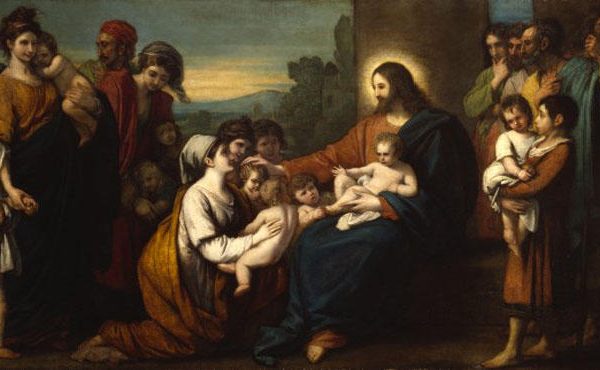

God's Father's Heart
Have you ever thought about what God thinks of you? Is it difficult for you to think He loves you as much as the Bible claims? God is vast and appears distant at times, but what is He actually like? Do you really know who he is? You've heard his orders, but do you know anything about his feelings or personality?
The fact that God is our Father is one of the most magnificent insights in the Bible. What comes to mind when you hear the term "father"? Do you immediately think of safety, provision, warmth, and tenderness? Or does the word "father" conjure up different images for you?
The Bible portrays God as a compassionate, forgiving Father who is intimately involved in every facet of our lives. It is not only a lovely picture, but it is also true. However, everyone appears to have a different idea of what God is like because they automatically tie their feelings and perceptions of their own earthly father to their concept of their Heavenly Father. Each person's experience with human authority typically carries over to how they connect to God. Good experiences bring us closer to knowing and understanding God, whereas unpleasant experiences distort our concept of our Father's love for us.
What was God thinking when He created the family? "God makes a home for the lonely," the Bible states (Psalm 68:6 NASB). A family is a circle of relationships that includes an adult male and female into which tiny, dependent human beings are born and reared.
Have you ever wondered why God didn't create a reproduction system that would produce a physically complete person like His original creation, Adam and Eve?
I believe God intended for us to be born totally dependent and helpless in order for the family unit to be a place where His love is demonstrated to both parent and child. As parents, we begin to truly understand God's heart towards us as His children, and as children, God's will is for us to see His love revealed through parental tenderness, mercy, and discipline.
But what if the ideal did not come true? What if parental authority failed you in some way? So many people have been hurt and rejected by their families that it is difficult for them to see God as He truly is. Understanding God's character is essential if we are to love Him, serve Him, and be like Him.
For the sake of clarity, I will refer almost exclusively to God's qualities of fatherhood. However, a full revelation of God's parental love is incomplete without the presence of the male and female attributes of parental affection. "And God created man in His own image; in the image of God He created him; male and female He created them. (Genesis 1:27 NASB)
Parental Control
Have you ever pulled into a friend's driveway and been greeted by the family dog? The foolish mutt will either cower away from you, trembling with fear, or leap upon you with an unwanted display of affection, demonstrated with its tongue, tail, and dirty paws. The browbeaten puppy that cannot be induced to trust you has clearly been mistreated. The exuberant mongrel attempting to give you a facial with his tongue has clearly come from a loving home.
So it is when God approaches man; our past experiences shape our response when God approaches us. A weeping prophet named Hosea heard God say, "When Israel was a child, I loved him, and out of Egypt I called my son. However, the more I called Israel, the more they strayed from me. They offered sacrifices to the Baals and burned incense to their pictures. I taught Ephraim to walk by holding their arms, but they had no idea I was the one who cured them. I guided them with strings of human compassion, ties of love; I took the yoke from their necks and knelt down to feed them. (Hosea 11:1-4 LB) God's leadership is not harsh and vindictive but rather unfathomably loving and patient.
I was doing some invoices on the computer when my five-year-old son Oscar repeatedly blew his shrill tin whistle, despite my repeated commands to stop. There was a period of silence followed by a deafening blast right next to my ear, including a spray of saliva. I reached around, swatted him with the back of my hand, and bellowed at him in anger. Immediately, I felt that the Spirit of God had been grieved.
Our Heavenly Father is currently being slandered and misrepresented all over the world as a result of man's cruelty and selfishness, not only in the home but in all forms of human government. His laws of love have been ignored, and our mangled hearts continue to perpetrate injustice to all those smaller and weaker than ourselves.
What tragedy is God witnessing right now? A bedroom door bursts open. A tiny boy is slapped awake in the middle of the night by a drunken and angry guy. " The sprinklers are still on. There is a flood. I'll teach you, young man!" The terrified boy is cruelly thrashed by the dark, hulking shape of a guy he calls "Daddy."
A 15-year-old prostitute with blank, dead eyes mechanically performs on Hollywood Boulevard, unconcerned about what happens to her; she hasn't felt clean since the night she was violated by her own father.
A wounded generation stumbles through their youth, only to inflict the same wounds on their own children. Is there no one to console us? Who will father the children of men? Whose arms are big enough for all the lonely children of the world? Who weeps over our pain? Who will comfort us in our loneliness? ONLY GOD. A broken-hearted father who is rejected by the little ones he yearns to heal Instead, raise children with the gentle discipline that the Lord Himself approves." (LB)
Parental Trustworthiness
Every promise of God will be honoured, and He is consistently loving. His one-heart motive remains constant throughout time and eternity, and He never changes. He simply wants to express love and forgiveness.
Do you have doubts about God? Our doubts pain him greatly. Imagine coming home to my wife and children after a long trip, and they ran away as I opened the door and shouted their names. I would be devastated.
You are God's child, and even now He calls your name, but maybe deep down you doubt His faithfulness. As a child, you may have experienced the complete absence of a father due to death or divorce. Perhaps you were orphaned by the demands of your parents' careers? Or is it just the childhood memory of broken promises or neglect that haunts you?
Is your heart gentle towards God or hardened with cynicism and distrust? Look up into His eyes and witness His love for you. "I will never desert you, nor will I ever forsake you. I will be with you until the end of time. (Hebrews 13:5; Matthew 28:20)
"But if He loved me so much, why haven't I felt or seen Him?" you may ask. "It is not God who has failed you, my friend, but I and those who know His love personally. Too many times we have failed to be His voice and His hands to those who do not know Him. Far too few allow themselves to be driven by the broken heart of Jesus into the dark corners of this world, where the poor and needy wait. Jesus is not attracted to pleasant places but to hurting people.
Your Heavenly Father was present when you first walked as a child; He was present through hurts and disappointments; and He is present now at this moment. You were briefly loaned to human parents who were supposed to shower you with love like His for a few years, but you are and always will be a child of God, made in His image. Your loving Father awaits you even now with outstretched arms.
Many of us are like the thief who died on the cross next to Jesus. Outwardly, he saw a bloody, disfigured body, but soon began to perceive the true nature of Jesus and, at the last minute, entered by faith into the family of God. We, too, must see past the religious and commercial mutations of Jesus and behold the God of Love, who still stands with open arms, saying, "I came that you might have life anew."
"Even when we are too weak to believe, He remains faithful to us, who are a part of Himself, and He will always keep His promises to us." " (11 Tim. 2:13 LB)
Generosity on the part of parents
Years ago, when serving with YWAM, I was standing in a hamlet in Sisaket, Thailand, on extremely poor earth floors, watching the children play, and it came to me that these youngsters would almost never hear the words, "Don't touch it! Keep it alone! Take care!" Their homes were simple, with earth floors, thatched roofs, and mats that rolled down at night to serve as walls."
In contrast, our modern homes are crammed with expensive and fragile furnishings and appliances that represent a minefield of potential rejection and rebuke for inquisitive toddlers. How many mothers have erupted in rage at a child who has damaged a treasured object of great expense or sentimental value?
"Things are more important than me," a repetitive and damaging chant, is infiltrating our children's subconscious brains. Things take precedence over me! Should we abandon our modern homes? Obviously not, but we must recognise that our understanding of God's kindness may have been hampered by our childhood experiences.
The truth is that God is innately generous. Creation demonstrates an extravagance of colour, complexity, and design that extends far beyond simple functional value. At this moment, high in the Italian Alps, a tiny white flower glistens in the sunlight. It has never been seen by the human eye in all of its seasons of bloom. It is not an essential part of the food chain. It was created by God in the hope that one day a son of Adam or a daughter of Eve would
The greatest demonstration of God's fatherly heart appears to be His attention to the details of our lives when He surprises us with those extra things, those little pleasures and treasures that only a father would know we yearn for. God is not stingy, possessive, or materialistic.
My family is not wealthy, and we rely on God to meet our basic needs of food, clothing, and shelter. We serve a truly generous God! The Psalmist wrote, "Trust in the Lord, and do good; dwell in the land, and cultivate faithfulness. Delight yourself in the Lord, and He will grant you your heart's desires. Commit your path to the Lord, and He will guide you. Psalm 37:3-5
Parental Attachment
Do you realise how appealing you are to God? One of the biggest impediments to our walk with Him is a sense that our flesh is repulsive to Him because of sin. When my son is covered in mud from the back yard, I pick him up and clean him off with the garden hose. I reject the mud, not the boy. Yes, you have sinned. Yes, you have broken God's heart. But you are still the centre of God's affection.
Because of our false concept of masculinity, we are told, "Don't cry, son; boys don't cry. Jesus is not like that. His compassion and understanding are limitless. He feels our hurts more deeply than we do because His sensitivity to suffering is far greater.
I once had to hold my screaming son while a doctor stitched a large gash in his leg. Henry, whose foot had wrapped around the chain of a bicycle, He quickly forgot his painful experience and fell asleep in my arms, but I was tormented by the experience and grieved for hours. You have forgotten most of your pain, but God has not. His tears are still mingling with yours at this very moment.
When you were four, you got lost at the football game and wandered terrified through the huge crowd, and it was God who turned the heart of that kind lady who helped you find your mother. "I led them with cords of human kindness, with ties of love. (Hosea 11:4 NIV)
Your parents may proudly display bronzed baby booties on the mantle, pictures in an album, or trophies on the wall—but how does that compare to God's infinite capacity to be overjoyed with your every success? It was actually God who heard you speak your first real word. The hours you spent alone exploring new textures with baby hands were a delight to your Heavenly Father.
Moses once said to one of the tribes of Israel, "You shall dwell between the shoulders of God. What a fantastic blessing! But that is also where you dwell. Whatever you become in the eyes of men, even a person of great authority, fame, or title, you will never cease to be more or less than a babe in the arms of God.
Parental Attention
There is one attribute of God that not even the best parent can hope to imitate: God's ability to be with you all the time. As parents, we simply cannot give constant attention 24 hours a day because we are finite beings who can only focus on one thing at a time. Not only is God with you all the time, but He gives you His complete attention. "Let Him have all your worries and cares, for He is always thinking about you and watching everything that concerns you."
"How does he do that?" you ask. God is continually thinking an unbroken stream of love thoughts towards you as though no one else in the world exists. How can he be directly connected with billions of people all at once?" I don't know, but I know it's not a problem for the creator of the world. Perhaps the explanation is the speed of His thought. There are 6 billion people on this planet. God has created things in nature that pulsate at incredible speed. I've heard that the quartz crystal's molecular structure vibrates at a speed of 9 billion movements per second. If God could only think that fast, He could think a loving thought towards you about twice every second without straining his mind.
Your parents were often preoccupied with their activities and sometimes showed no vital interest in the small events of your life, but God is not like that. He cares. He is a God of detail. Why does the Bible say that God has numbered the hairs on your head? It's not because God is concerned with abstract mathematics. He's not a computer looking for data; it's just that He's trying to tell us how well He knows us and cares about our lives.
A little boy has spent the afternoon pounding nails into scrap wood. He finally emerges from the garage and shows his mother a three-level battleship. He can't wait until Dad gets home. Dad is late. At 6:30, a tired, preoccupied man finally arrives. A cold dinner is waiting, as are the income tax forms. The excited boy proudly displays his handiwork to a daddy who barely looks up from the calculator.
Acceptance by Parents
We live in a performance-oriented society, where acceptance is always conditional—if you make the football team, if you bring home a good report card, if you look pretty, if you have money, if you win. The kingdom of this world is a kingdom of rejection, whereas the kingdom of God is a kingdom of unconditional love. God's promises are conditional, and we must obey Him to see blessings, but His love is unconditional.
Many of you are unable to receive God's love and approval, and you are trapped in a slave-like relationship with the harsh god of your imagination. A true love relationship involves the giving and receiving of loving responses. I will never forget the night I proposed to my wife, Julie. I kissed her and asked her to marry me. What if she had responded, "I'll wash your socks, clean your car, and type your letters?"
What is your response to God when He simply says He loves you? Can you "be still and know that He is God" without rushing into frantic activity to earn His approval? (Psalm 46:10, KJV) One of the most beautiful images of human peace and contentment is that of a baby sleeping in the arms of a mother after being fed at the breast. The child no longer squirms and demands but rests in the embrace of loving arms.
Don't be too restless in God's presence. Corrie ten Boom, who suffered so much at the hands of the Nazis yet went on to enormous spiritual victory, once told my friends and me, "Don't wrestle. Nestle." What a profound but straightforward reality!
God already loves you. You've had to perform and compete your entire life. Even as a tiny baby, you were compared to other babies. People said you were "too fat," "too thin," or had "his legs" or "her nose," but God delighted in your uniqueness and still does. It's when you bask in the love of the Father that God "rests in His love and joy over you with singing."
Yes, there is much to be done in and through your life. There will be days when God comes to you with a deep conviction of sin, showing you areas of your life that need to be changed, committed, and submitted to Him. But God is not always demanding changes. He knows our limits, and He gives us the grace and power to do the things He asks of us. He is tender and compassionate. Most of the time, he simply says, "I love you," and softly speaks your name.
Conclusion
If you see that you have been hindered in your relationship with God due to some kind of failure of parental love, then take these things to the Lord. You must find forgiveness in your heart for anyone who has hurt you. If you don't, your bitterness will consume you, and you will find no peace with God. Realise, too, that you are not alone. I haven't met a perfect person yet or a parent who hasn't made mistakes. Everyone has suffered some kind of hurt in their life. One of the keys to release is forgiveness. The important thing is that you go forward and get to know God for who He really is, not who you think He is. He is the perfect parent. He always disciplines with love. He is faithful, generous, kind, and just. He loves you, and he longs to spend time with you. He wants you to receive His love and know that you are a special and unique person to Him. Will you receive God's love and affection? Won't you open up and enter into an intimate relationship with your true father? He is patiently waiting for you to come. It is my prayer that you will realise His love for you and respond to the Father's heart.
The Mother Heart of Father God
"As a mother comforts her child, so I will comfort you, and you will be comforted."
(Isaiah 66:13)
When I was a young Christian, trying to sort my life out and struggling with the idea of God as Father, I desperately wanted to know that God had a tender, nurturing side that I could trust. My father had left the family; my mother was the one who stayed. I wanted to know that God the Father had something of a mother’s love in Him. I wanted God to be able to identify with me as a woman.
I am not saying that all mothers have brought love and nurture to their children. As James and I travelled, speaking about the love of God the Father, we met many people who would come up to us afterwards and say, "I didn’t really have a problem with my father; my problem was with my mother. But, whether we have difficulty opening up our hearts to a masculine figure or a feminine figure, we all really want to know the tender love that comforts and nurtures.
The Image of God
"So God created man in His own image; in the image of God He created him; male and female He created them. (Genesis 1:28).
It takes a man and a woman to fully display what the image of God is like. In Genesis 1:28, the terms "male" and "female" are not speaking primarily about biological and sexual characteristics. God does not have a body. He is a spirit. But there is something in the way that He has formed us as human beings that gives a revelation of what His character is like and what His desire is for us as individuals within a home and a family. God’s image in mankind can be more accurately described in terms of ‘masculinity’ and ‘femininity.’ All the traits of masculinity and femininity are supremely and originally in the nature of God.
Father put within the heart of the feminine—feminine that is within both the man and the woman—the tender longings and the tender heart of Himself. It is important to recognise that men also have the ability within themselves to
express these tender longings that come from the femininity of God. There is, however, a way in which more of God’s femininity resides within the female body. The female body is made for nurturing. The female body is a prophetic expression of who God is in His feminine attributes. There is something about a mother nursing that speaks of comfort and nurture.
Love is a response to love.
I always think of it like this: it is the mother, or feminine love, who puts the heart into the human race. A mother who is whole enough within herself is the one who teaches her children how to both love and be loved. She puts within that child the ability to receive and contain love—a container that can overflow to others. As human beings, we have to be taught everything: how to walk, how to talk, and how to eat, among many other things. But we also need to be taught how to love.
Storge—a Nurturing Love
Love is a response to love. We learn how to love as a response to being loved with a particular kind of love—a nurturing love—known in Greek.
as storge. Separate from other forms of love, storge is "family affection" and conveys the idea of tenderness and care. Strange love is the type of love that builds the foundation of our lives. It primarily comes from the mother because we grow within her womb and are comforted and nourished by her body from birth onward. However, strength also comes from the father. A father can show affection to his offspring by surrounding and protecting the household.
keeping it secure and free from fear and anxiety. Storge love is also richly conveyed through the wider family, through siblings, grandparents, and beyond.
We are made for love. The truth is that God intended our first experiences of this life to be (in the words of Paul the apostle) "rooted and grounded in love. We are meant, from the very beginning, to be established in this story of love so that we might grow up into His image—God is love!
Femininity in the Image of God
A woman’s body is made for nurture and tenderness. I am not saying that this is the limit of what a woman can do; of course, there is much more that a woman can do. Neither am I saying that she has to be confined there, but the point I am wishing to emphasise is this: What we are finding in contemporary culture is an outright rejection of this reality and a denial of the fact that a woman’s body is designed for nurture. So we find that we are departing more and more from the image of God.
There is something that God has put within the feminine that a baby really responds to—the softness of the feminine. When a father holds a baby, he gives the baby a whole different impartation than what the mother gives. The baby feels the strength of his arms, the solidity of his chest, and the safety and definition within the man. What the father gives is meant to convey the sense of a defined world out there, a feeling of the essential "other. But when a
When a mother holds a baby, the baby feels gentleness and tenderness—that "sinking into" feeling, which is a feeling of oneness.
This is the oneness that we are born to feel. We were never meant to feel alone. God never created us as humans to ever feel that we were on our own. One of the tremendous needs that we as human beings have is to feel that deep sense of belonging—that this is where I, as an individual, am supposed to be. To feel that this is my true home. It is a mother who first gives us that feeling of the essence of belonging. She does this through her gaze and as she communicates the deep welcome verbally—through words but also through the tone of her voice and the cadence of her speech. God has intended that we would hear the sound of the mother’s voice and receive her words as words of life—words to soothe and comfort.
Feminine love is the only love that can give us the foundation that we need. The reality is that for many, the roots of their lives have not gone down into the pure and holy love that God intended them to have. And God is coming to reveal Himself, not only as Father but also as "Mother. You can receive nurture that is not going to destroy you but rather build you up in life. His feminine love will establish your ability to live in holiness because now you can have a source of intimacy and belonging.
The Brokenness of the Fall
This is the written account of Adam’s family line. When God created mankind, he made them in the likeness of God. He created them, male and female, and
blessed them. And he named them "Mankind" when they were created. When Adam had lived 130 years, he had a son in his own likeness, in his own image, and he named him Seth. (Genesis 5:1-3)
Adam and Eve were made in the image of God. But then came the fall. After Adam and Eve were driven out of the Garden, when life as it was intended became broken and distorted, we read that something significantly changed. Adam and Eve were created in the image of God, but their children were created in their image. Now, a fallen masculinity and a fallen femininity have entered the lives of man and woman. This brokenness has distorted the true nature of love and has been passed down from generation to generation. When the roots of our psyche do not go deeply into pure love, there will be negative results in our lives. I believe that is the reason for much of the anger, hostility, insecurity, and depression that are so prevalent in our culture today. There is an emptiness because there is not the rich soil of nurturing love. This has not happened for many of us through our own natural conception, birth, and infancy, but the wonderful reality is that God the Father can come, and He can root and establish us in His love.
You and I were conceived in God’s heart long before we were conceived in our mothers’ wombs. He is the very source of our lives. We can trace our origins back even further than our own natural conception and meet God in that place of original love. We can meet Him at the fountainhead of all belonging. He, the Source, can come to us and minister that primordial nurture that our hearts so desperately need.
Throughout Scripture, we have seen wonderful miracles of healing in the lives of different people as God the Father has come—as a mother—and touched deep in the human spirit. He has come and ministered to the very foundation of human life, the very ground of our being. He has shown himself not only to be a father but also to have the tenderness and nurturing of a mother’s love.
The Heart of a King Established in Love
King David, the shepherd-king of Israel, knew what it was to avail himself of the nurture of the mother heart of Father God. In Psalm 131, burdened with the awesome responsibilities of military command and nation-building, he says,
My heart is not proud, O Lord, and my eyes are not haughty; I do not concern myself with great matters or things too wonderful for me. But I have stilled and quieted my soul. Like a weaned child with its mother, my soul within me
He speaks here of himself as a child at the breast of his mother. Israel’s greatest king sees himself in this way. He does not speak of being "weaned" in the sense of being weaned off the breast in order to eat solid food. The word "weaned" in this context carries with it the sense of a child being fully sated, engorged with its mother’s milk, so that it lies milk-drunk and sleepy on the breast. Picture this king with the heavy burdens of statecraft laid down and satiated at the breast of El Shaddai.
The mother's heart of Father God
In Isaiah 49:15, we read,
"Can a mother forget the baby at her breast and have no compassion for the child she has borne? Though she may forget, I will not forget you!"
Here, God the Father is comparing Himself—not only to a mother but to
a nursing mother. In these words, he is expressing the kind of love that will rise up one hundred times in the night for you—the kind of love that will even die for you. If you are crying from sickness or fear, this kind of love will always be available for you. This is the kind of love that knows no end. It will go on and on and on!
With fallen motherhood, it is actually possible that a mother is capable of forgetting and lacking compassion. But God cries out, "Even though she may forget, I will not forget you! He is a greater expression of motherhood than a human mother in the full flow of her nurturing. He is the original source and expression of motherhood. He is saying, "I have an infinitely greater capacity to comfort you and love you tenderly!"
Much later in this prophecy, in Isaiah 66:13, we read:
"As a mother comforts her child, so I will comfort you, and you will be comforted.
As a mother comforts her child! Isn’t this amazing? The way that a mother comforts her child is different than the way that a father comforts his child. When a little child, for example, falls over in the garden and runs indoors
crying with a grazed knee, the father—if he gets there first—will generally bend down, perhaps give the child a pat on the back, and say, "You’re OK. Off you go, run, and play. Everything will be fine! A mother will stoop down and scoop the child into her arms. She will hold her child, soothe them, and let them cry. She will comfort them.
The Father loves you with perfect love.
If we are not rooted and established in this nurturing love, in this depth of holiness, we will always be searching for it. We will never, ever be satisfied with anything else. We will continually be on a quest for it. Our romantic relationships may go some way towards assuaging it, but there will always be a deeper need gnawing at our soul. We all have a constant need for God—not only expressed in the masculine but also in the feminine. He loves you not only as a father loves but as a mother loves. You can come to Him now and deeply receive His nurturing love.
Denise Jordan
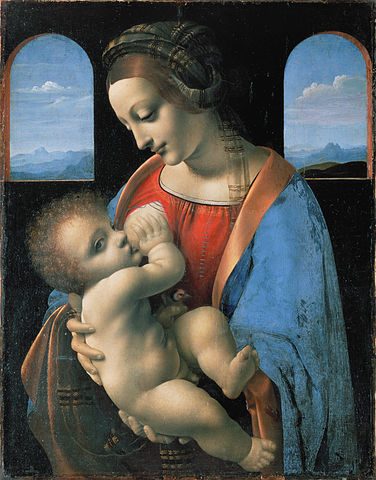
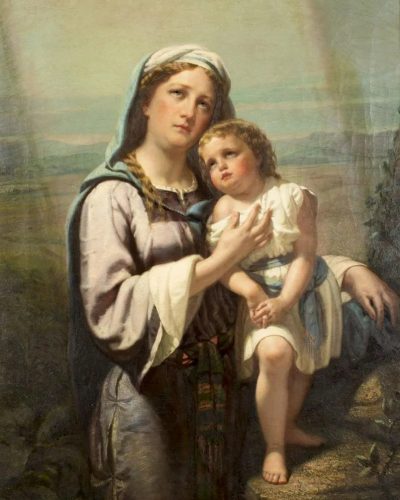
The Mother Heart of Father God
"As a mother comforts her child, so I will comfort you, and you will be comforted."
(Isaiah 66:13)
When I was a young Christian, trying to sort my life out and struggling with the idea of God as Father, I desperately wanted to know that God had a tender, nurturing side that I could trust. My father had left the family; my mother was the one who stayed. I wanted to know that God the Father had something of a mother’s love in Him. I wanted God to be able to identify with me as a woman.
I am not saying that all mothers have brought love and nurture to their children. As James and I travelled, speaking about the love of God the Father, we met many people who would come up to us afterwards and say, "I didn’t really have a problem with my father; my problem was with my mother. But, whether we have difficulty opening up our hearts to a masculine figure or a feminine figure, we all really want to know the tender love that comforts and nurtures.
The Image of God
"So God created man in His own image; in the image of God He created him; male and female He created them. (Genesis 1:28)
It takes a man and a woman to fully display what the image of God is like. In Genesis 1:28, the terms "male" and "female" are not speaking primarily about biological and sexual characteristics. God does not have a body. He is a spirit. But there is something in the way that He has formed us as human beings that gives a revelation of what His character is like and what His desire is for us as individuals within a home and a family. God’s image in mankind can be more accurately described in terms of ‘masculinity’ and ‘femininity.’ All the traits of masculinity and femininity are supremely and originally in the nature of God.
Father put within the heart of the feminine—feminine that is within both the man and the woman—the tender longings and the tender heart of Himself. It is important to recognise that men also have the ability within themselves to
express these tender longings that come from the femininity of God. There is, however, a way in which more of God’s femininity resides within the female body. The female body is made for nurturing. The female body is a prophetic expression of who God is in His feminine attributes. There is something about a mother nursing that speaks of comfort and nurture.
Love is a response to love.
I always think of it like this: it is the mother, or feminine love, who puts the heart into the human race. A mother who is whole enough within herself is the one who teaches her children how to both love and be loved. She puts within that child the ability to receive and contain love—a container that can overflow to others. As human beings, we have to be taught everything: how to walk, how to talk, and how to eat, among many other things. But we also need to be taught how to love.
Storge—a Nurturing Love
Love is a response to love. We learn how to love as a response to being loved with a particular kind of love—a nurturing love—known in Greek.
as storge. Separate from other forms of love, storge is "family affection" and conveys the idea of tenderness and care. Strange love is the type of love that builds the foundation of our lives. It primarily comes from the mother because we grow within her womb and are comforted and nourished by her body from birth onward. However, strength also comes from the father. A father can show affection to his offspring by surrounding and protecting the household.
keeping it secure and free from fear and anxiety. Storge love is also richly conveyed through the wider family, through siblings, grandparents, and beyond.
We are made for love. The truth is that God intended our first experiences of this life to be (in the words of Paul the apostle) "rooted and grounded in love. We are meant, from the very beginning, to be established in this story of love so that we might grow up into His image—God is love!
Femininity in the Image of God
A woman’s body is made for nurture and tenderness. I am not saying that this is the limit of what a woman can do; of course, there is much more that a woman can do. Neither am I saying that she has to be confined there, but the point I am wishing to emphasise is this: What we are finding in contemporary culture is an outright rejection of this reality and a denial of the fact that a woman’s body is designed for nurture. So we find that we are departing more and more from the image of God.
There is something that God has put within the feminine that a baby really responds to—the softness of the feminine. When a father holds a baby, he gives the baby a whole different impartation than what the mother gives. The baby feels the strength of his arms, the solidity of his chest, and the safety and definition within the man. What the father gives is meant to convey the sense of a defined world out there, a feeling of the essential "other. But when a
When a mother holds a baby, the baby feels gentleness and tenderness—that "sinking into" feeling, which is a feeling of oneness.
This is the oneness that we are born to feel. We were never meant to feel alone. God never created us as humans to ever feel that we were on our own. One of the tremendous needs that we as human beings have is to feel that deep sense of belonging—that this is where I, as an individual, am supposed to be. To feel that this is my true home. It is a mother who first gives us that feeling of the essence of belonging. She does this through her gaze and as she communicates the deep welcome verbally—through words but also through the tone of her voice and the cadence of her speech. God has intended that we would hear the sound of the mother’s voice and receive her words as words of life—words to soothe and comfort.
Feminine love is the only love that can give us the foundation that we need. The reality is that for many, the roots of their lives have not gone down into the pure and holy love that God intended them to have. And God is coming to reveal Himself, not only as Father but also as "Mother. You can receive nurture that is not going to destroy you but rather build you up in life. His feminine love will establish your ability to live in holiness because now you can have a source of intimacy and belonging.
The Brokenness of the Fall
This is the written account of Adam’s family line. When God created mankind, he made them in the likeness of God. He created them male and female, and
blessed them. And he named them "Mankind" when they were created. When Adam had lived 130 years, he had a son in his own likeness, in his own image, and he named him Seth. (Genesis 5:1-3)
Adam and Eve were made in the image of God. But then came the fall. After Adam and Eve were driven out of the Garden, when life as it was intended became broken and distorted, we read that something significantly changed. Adam and Eve were created in the image of God, but their children were created in their image. Now, a fallen masculinity and a fallen femininity have entered the lives of man and woman. This brokenness has distorted the true nature of love and has been passed down from generation to generation. When the roots of our psyche do not go deeply into pure love, there will be negative results in our lives. I believe that is the reason for much of the anger, hostility, insecurity, and depression that are so prevalent in our culture today. There is an emptiness because there is not the rich soil of nurturing love. This has not happened for many of us through our own natural conception, birth, and infancy, but the wonderful reality is that God the Father can come, and He can root and establish us in His love.
You and I were conceived in God’s heart long before we were conceived in our mothers’ wombs. He is the very source of our lives. We can trace our origins back even further than our own natural conception and meet God in that place of original love. We can meet Him at the fountainhead of all belonging. He, the Source, can come to us and minister that primordial nurture that our hearts so desperately need.
Throughout Scripture, we have seen wonderful miracles of healing in the lives of different people as God the Father has come—as a mother—and touched deep in the human spirit. He has come and ministered to the very foundation of human life, the very ground of our being. He has shown himself not only to be a father, but also to have the tenderness and nurturing of a mother’s love.
The Heart of a King Established in Love
King David, the shepherd-king of Israel, knew what it was to avail himself of the nurture of the mother heart of Father God. In Psalm 131, burdened with the awesome responsibilities of military command and nation-building, he says,
My heart is not proud, O Lord, and my eyes are not haughty; I do not concern myself with great matters or things too wonderful for me. But I have stilled and quieted my soul. Like a weaned child with its mother, my soul within me
He speaks here of himself as a child at the breast of his mother. Israel’s greatest king sees himself in this way. He does not speak of being "weaned" in the sense of being weaned off the breast in order to eat solid food. The word "weaned" in this context carries with it the sense of a child being fully sated, engorged with its mother’s milk, so that it lies milk-drunk and sleepy on the breast. Picture this king with the heavy burdens of statecraft laid down and satiated at the breast of El Shaddai.
The mother's heart of Father God
In Isaiah 49:15, we read,
"Can a mother forget the baby at her breast and have no compassion for the child she has borne? Though she may forget, I will not forget you!"
Here, God the Father is comparing Himself—not only to a mother but to
a nursing mother. In these words, he is expressing the kind of love that will rise up one hundred times in the night for you—the kind of love that will even die for you. If you are crying from sickness or fear, this kind of love will always be available for you. This is the kind of love that knows no end. It will go on and on and on!
With fallen motherhood, it is actually possible that a mother is capable of forgetting and lacking compassion. But God cries out, "Even though she may forget, I will not forget you! He is a greater expression of motherhood than a human mother in the full flow of her nurturing. He is the original source and expression of motherhood. He is saying, "I have an infinitely greater capacity to comfort you and love you tenderly!"
Much later in this prophecy, in Isaiah 66:13, we read:
"As a mother comforts her child, so I will comfort you, and you will be comforted.
As a mother comforts her child! Isn’t this amazing? The way that a mother comforts her child is different than the way that a father comforts his child. When a little child, for example, falls over in the garden and runs indoors
crying with a grazed knee, the father—if he gets there first—will generally bend down, perhaps give the child a pat on the back, and say, "You’re OK. Off you go, run, and play. Everything will be fine! A mother will stoop down and scoop the child into her arms. She will hold her child, soothe them, and let them cry. She will comfort them.
Father loves you with perfect love.
If we are not rooted and established in this nurturing love, in this depth of holiness, we will always be searching for it. We will never, ever be satisfied with anything else. We will continually be on a quest for it. Our romantic relationships may go some way towards assuaging it, but there will always be a deeper need gnawing at our soul. We all have a constant need for God—not only expressed in the masculine but also in the feminine. He loves you not only as a father loves but as a mother loves. You can come to Him now and deeply receive His nurturing love.
Denise Jordan

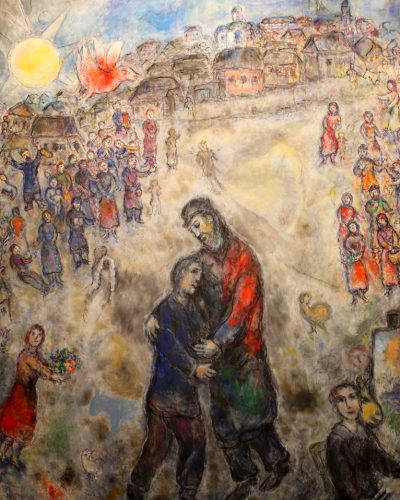
3 Parables about God's Father's Heart
In Luke 15, Jesus offers three stories (parables) about God's love for us that comprise a three-fold parable. The Lost Sheep, the Lost Coin, and the Lost Son are three parables in one, demonstrating the overflowing love of the Triune God—Father, Son, and Holy Spirit. God is triune; He is one God manifested in three persons. This chapter is also triune. Luke 15 has three parables of Jesus that all show the same truth: God's overwhelming love for us. In reality, Jesus refers to them as a single story divided into three sections (v. 3).
The first speaks of God the Son's love.
The second speaks of God's and the Holy Spirit's love.
The third verse talks of God the Father's love.
The three stories are about three lost objects (which represent us) and three owners (the Triune Godhead) who carefully seek and rediscover what was lost with great joy.
The first tells of God the Son's love for the lost sheep.
The second talks of God's and the Holy Spirit's love for the lost coin.
The third tells of God's (the Father's) love for the lost son.
The amount of time and effort we put into locating something when it is lost, as well as our excitement upon finding it again, show the value and importance we place on it. These stories demonstrate how valuable, unique, and significant we are to God. He personally loves us and does everything in His power to reclaim and restore us to Himself, enjoying greatly when we are found by Him! It's comforting to know we're liked. It gives us confidence in prayer and inspires us to adore Him.
(v1-3) Introduction. "Then all the tax collectors and sinners gathered around Him to hear Him. "This man receives (repentant) sinners (back into fellowship) and eats with them (showing His loving acceptance of them)," the Pharisees and Scribes objected (v. 1–2). Rather than Jesus, these legalists claimed to be the real representatives of God. "If Jesus was truly of God, he would reject sinners, not welcome them back," they reasoned.
So Jesus told this three-part parable to demonstrate that their conception of God was incorrect: "So He said this parable to them, saying (v3):
1. The shepherd and the lost sheep
The first exemplifies the Shepherd-Son's self-sacrifice: "What man of you, having a hundred sheep, does not leave the 99 in the wilderness and go after the one that is lost until he finds it? And when he has found it, he lays it on his shoulders, rejoicing; and when he comes home, he calls together his friends and neighbours, saying to them, "Rejoice with me, for I have found my sheep. I tell you, there will be greater delight in heaven over one sinner who repents than over 99 just people who do not need to repent" (v. 3–7).
The first story concerns a shepherd with 100 sheep. One of the sheep wandered off one day. It was safe when it was with the shepherd, but this sheep was foolish. He believed he could look after himself and survive without the shepherd. He didn't require the shepherd's leadership, care, direction, or supply. He could go it alone and do things his way. He planned to go for a walk by himself. He travelled into a risky area of the forest, where he could fall into trenches, get bruised by rocks, and be eaten by wolves. He would certainly die on his own. A sheep can't defend itself. He is powerless. Furthermore, a sheep has no idea how to get home.
The Bible compares us all to sheep. According to the Bible, "all we (people) have gone astray; we have turned each to his own way" (Isaiah 53:6). Sin is turning away from the Lord, our shepherd. We go off on our own. "I'm fine; I don't need God," we declare. "I'll look after myself, and I'll do it my way. We have no idea that we are in grave danger. Then we realise one day
We've gone astray. We're on our own. We have no idea where our shepherd is. We have no idea how to go home.
"I am the Good Shepherd; the Good Shepherd gives His life for the sheep," Jesus declared. "I lay down my life for the sheep," says Jesus (John 10:11, 15).
Matthew 9:36 illustrates His love for all sheep.
The sheep falls into a pit and rests there, weak, hungry, and helpless, in the story. The shepherd could easily claim, "I still have 99 sheep and have only lost one. In any case, he was a dumb sheep. He completely disregarded me. It serves him well. Some people believe God is like this. However, the shepherd adored this sheep. He adored each and every one of them. They were all significant to him. He knew all of their names. He was really sad when he learned that one had wandered off the route. The shepherd abandoned the 99 in search of the missing one. He ventured into the perilous cracks, rocks, and pits. He kept calling for it. He was so obsessed with it that he refused to quit until he found it. He peered around, climbing high and low. "Where are you?" he yelled, his voice overflowing with emotion. It was getting dark and the wolves were howling, but he was not going to give up. He felt certain it was somewhere. Jesus stated, "I have come to seek and save the lost sheep (Luke 19:10). The shepherd pleaded, "O God, please save my sheep.
He was startled to hear a pitiful bleating. The sheep was hurt and unable to move. It was helpless to preserve itself, like us, but it could bleat. The shepherd became enthralled and pursued the sound. Then he noticed it. It had landed in a perilous abyss. He could only preserve it by putting his own life in danger. He continued to descend into the hole. It was getting dark at this point. He grabbed the sheep.
"When he found it, he laid it on his shoulders, rejoicing," Jesus said of the shepherd. He'd located his much-loved sheep. He climbed out of the pit, filled with laughter. He wasn't upset with the sheep. He was just relieved to see them again.
We are all in need of being found by the Good Shepherd. He's looking for us. He addresses us through the gospel. He summons us (Rev. 3:20). He's waiting for us to scream! We cannot save ourselves, but we can and must call on Him to do so: "All who call upon the name of the Lord shall be saved" (Rom 10:13). He hears us and saves us when we reach out to him. Our response allows him to locate us.
Our good shepherd, Jesus, saw us trapped in the pits of sin and hell. We'd gotten lost. We were going to die, powerless and feeble. The wolves were eager to devour us. He entered this treacherous wilderness world from the pleasant pastures of paradise. Then He gave His life for us. He descended into the pit to save us. He laid His hand on us on the cross, bearing our sins. He dived into the abyss (of hell and death) to rescue us. He rose victorious on the third day. "God raised from the dead our Lord Jesus, that great shepherd of the sheep," according to Hebrews 13:20.
Jesus arose from the pit of death and hell, bearing us up on His shoulders and rejoicing over us! This was the joy laid before Him, which enabled Him to bear the pain of saving us from destruction (Heb 12:2). We were lost, but now we've been discovered—praise God!
1 Peter 2:24–25 says, "In His own self, Jesus bore our sins in his own body on the Cross, that we, being dead to sins, might live unto righteousness, by whose stripes you were healed. For you were straying sheep who have now been returned to the Shepherd and Guardian of your souls.
Have you gone back to your shepherd? When a sheep is discovered, he is not only repaired and reunited with the shepherd but also with the other 99 sheep. He joins the flock's fellowship (the church). The shepherd rejoiced as he carried the sheep on his shoulders all the way home. Similarly, Jesus, our Shepherd-Saviour, pulls us up on His shoulders and carries us all the way to the splendour of heaven. He forgives us for leaving him and rejecting him. He is simply overjoyed that we have returned to him.
When he returned home, he gathered all of his family and friends. He should have been tired, but he was so ecstatic at finding the lost sheep that he woke everyone up! "Rejoice with me (let us have a party), for I have found my lost sheep. He was lost; I thought he was dead, but now he's found. He's still alive! Doesn't this sound a little excessive? Yes! That is exactly how God feels about us. It's plenty and overflowing! "Likewise, there will be more joy in heaven over one sinner who repents (turns from our own way to God's way) and follows the true shepherd," Jesus remarked.
When we come to Jesus, He rejoices so much that He can't contain himself and invites all of heaven to join Him, for we have returned home. That is how much we are cherished. That's how unique we are to God! Even though only one sheep goes astray, the shepherd nevertheless gives his life to save it. This demonstrates that God values each individual. Even if you were the world's sole sinner, Jesus would have come to die for you! God personally loves you. There is more joy in heaven over one sinner who repents than over 99. This demonstrates that God has a unique, passionate love for each of us.
So, can we rely on God's love while continuing to sin? No, this is the height of folly. If the sheep refuses to reply when the shepherd calls, he will eventually become unable to respond and will perish, despite the shepherd's love and frantic desire to save him. Although we are powerless to save ourselves, we may choose whether or not to let the Shepherd save us. If we continue to reject God's opportunities, there will come a day when it will be too late to be rescued.
Now that Jesus has risen from the dead, we can announce with confidence Psalm 23:
"The Lord (Jesus) is my shepherd; I will not want (He meets all of my needs). He makes me lie down in green pastures (he provides relaxation), and he leads me besides quiet streams (he provides peace). He cures my bruises and shattered bones and restores my soul. He guides me in the paths of righteousness for the sake of His name. Yes, even though I walk through the valley of the shadow of death, I will not be afraid, for You are with me; Your rod and Your staff comfort me (He protects and comforts me). You set a table in front of my enemies. He feeds me. Every spiritual blessing is on the table: healing, life, wisdom, deliverance, and strength. He says, "It's yours. Take it. Eat it." You anoint my head with oil (He empowers me for service); my cup (the spirit) overflows (with the fruit, the overflowing love, joy, and peace of the Holy Spirit). Surely goodness and mercy shall follow me all the days of my life, and I will dwell in the house of the LORD forever (He gives me an abundant life on earth as well as eternal life in heaven). I was lost, but the Good Shepherd has finally found me. I used to be dead, but now I'm living. I know that I will always be in the loving care of Jesus Christ, my rising Great Shepherd.
2. The Lost Coin Luke 15:8-10. "Or what woman, having ten silver coins, does not light a lamp, sweep the house, and seek attentively until she finds it? And when she finds it, she gathers her friends and neighbours and says, "Rejoice with me, for I have found the piece that I lost! ' Similarly, I say to you, there is gladness in the presence of God's angels over only one sinner who repents.
She had ten pieces (drachmas) of silver. These were valuable coins, often worn in a 10-piece garland by married women. They formed a lovely necklace, the loveliest part of her dowry. They were very valuable to her. She had lost just one of these coins. It fell on the dusty floor of the house. The house was dark (the only windows were narrow slits in the wall). There were no lights.
But this one coin was so valuable to this woman that she lit a lamp, swept the house, and kept searching carefully, not giving up until she found it. This demonstrates how special each of us is to God. She determined in her heart, "I must find it. She diligently looked in every corner of the house until she found it.
"7 fire lamps were burning before the throne, which are the 7 Spirits of God (or the 7-fold Spirit of God, see Isaiah 11:1, 2). (Rev4:5).
"The 7 eyes, which are the 7 Spirits of God sent out into all the earth, (Rev 5:6) "They are the eyes of the Lord, which scan (search) to and fro throughout the whole earth" (Zech 4:10). He shines his light on us and reveals Jesus to us. He sweeps away the dust, doubt, and unbelief from us so that we can see the light.
When she found the coin, she lifted it up and rejoiced. This is a picture of our salvation, when we are found and taken out of the hands of the kingdom of darkness and held secure in the hands of the Holy Spirit. When we are found, the Holy Spirit raises us up and lifts our spirit up into heavenly places, no longer to be trodden under foot (Eph 1:17–2:8). He takes us, joins us to the other coins, and wears us proudly (it says the Spirit clothed Himself with Gideon).
Then she called her friends and neighbours, saying, "Rejoice with me, for I have found the piece that I had lost. Jesus then said, "Likewise, I say unto you, there is joy in the presence of the angels of God over one sinner that repents. You are that one coin. The Holy Spirit searches for you all your life, and when He finds you, He lifts you out of the dust of sin, cleans you up, and makes you shine.
"By His mercy, He saved us, by the washing of regeneration and renewing of the Holy Spirit, which He shed on us abundantly through Jesus Christ our Saviour" (Titus 3:5).
We will then be baptised in water and the Holy Spirit's oil.
3. The Parable of the Prodigal Son
The Parable of the Prodigal Son is the third of three parables in Luke 15 that reveal what each member of the Godhead is like, revealing their love for recovering those who are lost and then rejoicing over them. After describing the love of the sheepherd (son) for the lost sheep and the love of the woman (holy spirit) for the lost coin, this final story reveals the love of the father for the lost son.
God's love is limitless. " Then He said, "A certain man had two sons. And the younger of them said to his father, "Father, give me the portion of goods that falls to me. He insulted his father, who loved him so much, saying, "I can't wait for you to die; I want my inheritance now. I want to leave home and do whatever I want. So he divided his livelihood among them" (v11–13).
"And not long after that, the younger son gathered all (his wealth) together (a third of the family wealth, because the elder son received the double portion)."
He placed his goods on numerous carts and also took many animals.
"He journeyed to a far country. This is analogous to us going our own way in sin.
"And there he wasted his possessions with prodigal (excessive) living. He had many friends there because of his wealth, but he wasted his money on riotous living, spending it all on himself. " But when he had spent all, there arose a severe famine in that land, and he began to be in want. When he had spent it all, his friends left him. Now he began to suffer the consequences of sin, for sin brings a curse.
He was sinking lower and lower: "Then he went and joined himself as a citizen of that country. But it got worse when he was sent into the fields to feed the pigs (the worst job for a Jew, because pigs were unclean): "And he sent him into his fields to feed swine. And he would gladly have filled his stomach with the pods that the swine ate, and no one gave him anything" (v14–16).
"But when he came to himself (reached his senses), he said, "How many of my father's hired servants (the lowest servants hired on a temporary basis as the need arose, as opposed to the permanent house servants) have bread enough and to spare, and I perish (die) with hunger? I will arise and go to my Father, and I will say to him, "Father, I have sinned against heaven (God) and before you (all sin). "Treat me as if I were one of your hired servants" (v. 17–19). True repentance occurs when we return to God and acknowledge our wrongdoing, asking for His forgiveness and healing. He knew he'd done horribly, but he also knew his father was good, so there was still hope. Perhaps his father would allow him to be a lowly servant and feed him on occasion. He hoped his father would not reject him.
"And he arose and came to his father," he said, returning with nothing but himself. He could only express his regret. He was wondering as he headed home, "Will my father accept me back, or will he be angry and reject me as I deserve?"" But what happened next surprised him, and it surprised the Pharisees who were listening to the account, who, like the elder brother, anticipated the Father's rejection of him even as a lowly servant, let alone as a son.
"But when he was still a long way away, his father saw him and felt compassion for him, and he ran and fell on his neck and kissed him" (v. 20). He had, after all, turned his back on his father, but he had not turned his back on his beloved son. He awoke every day thinking, 'I hope he comes home today.' He frequently looked to the horizon to see whether he was coming home. "Is that my son?" he asked every time he saw someone. "Day after day, week after week, month after month, then years passed, but he never gave up hope. Then one day he looked up and spotted a man strolling slowly in the distance. "Is that my son?"" He took another look. "It looks like him—a little skinny—but it could be him. He looked again, his face filled with joy: "Yes, it's him. He ran to him with all his strength, his heart full of love for his poor, tired kid. When you return to God, he rushes to meet you. As he got closer, he noticed the foul odour of the nsects. Similarly, our sin is a smell in God's nostrils, but He still loves and accepts us when we repent and return to Him. The father hugged him tightly and kissed him repeatedly. He was overjoyed to see him. God genuinely loves us. He'll let us back in.
"And the son said to him, "Father, I have sinned against heaven and in your sight.
"I am no longer worthy to be called your son in your eyes" (v. 21).
That was all the father needed to hear. He stopped the son's prepared speech before he could make a deal based on work. He would not accept him back as a servant but fully accepted him as his son. If he became a servant, he would be earning his place, but God makes us His sons freely.
When we are saved, the Father bestows upon us:
"But (instead of being made a servant), the Father commanded to His servants, Hurry, bring out the finest robe and put it on him" (v. 22). When we come to God, we are no longer considered outsiders. He accepts us as his sons and takes us in. He removes our filthy rags and wraps us in His finest clothes. We put his robes on, and he says, "Make my boy look like me. We are given the robe of righteousness, which enables us to stand before God pardoned and justified: "There is now no condemnation for those who are in Christ Jesus" (Rom 8:1). Now we can see God in our eyes. The father did not want to display his son's wrongdoing and disgrace, so he covered it up. He was the only one who witnessed his condition because he had the robe carried out to the son so he could put it on and walk home in it. As a result, everyone saw him as a beloved, accepted son rather than a despised beggar. The robe indicated that he was honoured by his ather. He also clothed us with power from on high in a garment of praise and a spirit of heaviness. We have a fresh start (2 Corinthians 5:17).
2. "And put a ring on his hand (He gives us His authority, the Name of Jesus, saying: 'do business on my behalf') and sandals on his feet (saying: 'I have set you free; go and share the gospel'. Represent me as my witness and ambassador.
3. BATH: Although it is not stated, the son was clearly bathed (cleansed from sin) (Titus 3:4–7).
4. The Party: "And bring the fatted calves here and kill them, and let us eat and be merry; for this my son was dead and is alive again; he was lost and is found. The father hosted a great party and prepared and kept the best calf for a special occasion. Eating together is a symbol of covenant relationships and joyous communion with all who have been forgiven. Jesus is comparing God to this father. Such is His love for us that when we repent (turn back to God), He holds a grand celebration to welcome us home and rejoice over us, for we were dead in our sins but are now alive in Christ. We were lost (far away) but have finally returned home. "That's my beloved son; I'm so glad he's returned to be with Me," he exclaims to the angels. Let us celebrate!"
The Older Son (v25–32): They began to celebrate and have a party.
"Now his older son was in the field (working hard), and as he came and drew near to the house, he heard music and dancing, so he called one of the servants and asked what these things meant ('what's going on?'). And he said to him, 'Your brother has returned, and because He has received him safe and sound, your Father has killed the fatted calf.' But he was angry and would not go in."
"Therefore his Father came out and pleaded with him (to forgive his brother and join the rejoicing). So he answered and said to his Father, "Lo, these many years I have been serving (slaving for) you; I never transgressed your commandment at any time; and yet you never gave me a young goat, that I might make merry with my friends" ('I've worked hard and you never gave me a party'). But as soon as your son (note he disowned him as his brother) arrived, having squandered your livelihood with harlots, you slaughtered the fatted calf for him.
His arrogance, jealousy, and fear of the worst were all on display now. Both sons had been estranged from their father. This was clear in the one whose sin was external, but the other's guilt was inside, but eventually exposed (he was outwardly close to the Father, but in his heart he was far away and opposed to the Father's loving generosity of spirit). He had no idea about His love, but he regarded Him as a slave-driver and was angry and rebellious. He believed he had to earn his father's affection through his work. However, the Father loved him and had already given him everything. So he was attempting to earn what had already been provided to him through his labour. He represents self-righteous sinners (such as the Pharisees). He was pompous, spiteful, resentful, and cruel to his father and brother. He refused to forgive his brother, who had already lost everything.
(Those who sin will pay the price because "the wages of sin is death.) But he was not pleased. He was cruel, seeking vengeance in order to make him suffer even more. " And He (the loving Father) said to him, "Son, you are always with me, and all that I have left of my estate is yours. I freely gave everything to you. You could have had a party at any time. It was right that we should make merry and be glad. Why do you want revenge? Why are you upset that your brother is back home? Why are you angry that he has been restored? Because your brother was dead and is alive again.
In this story, Jesus demonstrates that God is like the big-hearted Father (full of love and forgiveness), whereas the Pharisees' conception of a harsh, unforgiving God (like the older brother) was utterly incorrect.